Sauter au contenu principal
actuellecd

Blogue

258 résultats
  • 15
  • 16
  • 17
  • 18
  • 19
  • 20
  • 21
  • 22
  • 23
  • Estrapade, morceaux_de_machines dans Sands Zine

    «Una bestia di disco», Alfredo Rastelli, Sands Zine, 17 juin 2005
    vendredi 17 juin 2005 Presse

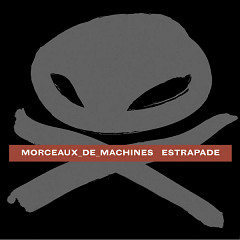
    I morceaux_de_machines del duo canadese composto da A_dontigny e Érick d’Orion non vogliono sentire ragioni. Danno bando alle ciance e cacciano dalle loro mani una bestia di disco, efferato e distruttivo. Erano tempi che non sentivo un disco di free elettronica così compatto, incompromissorio e creativo. Il cd è composto da tre registrazioni diverse, di cui due catturate dal vivo, smontate e poi rimontate in un diverso ordine, e in cui si avvalgono della collaborazione di tre grandi personaggi, molto presenti nella scena canadese: sono infatti della partita nientedimeno che Diane Labrosse, Martin Tétreault e Otomo Yoshihide. Un collettivo di turntablists a cui si deve aggiungere l’uso sfrenato di effetti, oggetti e percussioni elettroniche. A_dontigny ed Érick d’Orion superano in ferocia la loro creatura Napalm Jazz, di cui i morceaux_de_machines rappresentano la naturale evoluzione; i punti in comune ci sono ma in questo caso i musicisti azzerano le pause, stratificando la musica fino a trasformarla in puro catrame. Estrapade è fatto di una materia impenetrabile costruita con elementi di musica concreta, elettronica e industrial e cementata con collage sonori, in un pieno approccio avanguardista e dada. Dentro ci trovate tanto noise ed elettronica, flagellamenti industriali (Estrapade) e assurde drum machine alle prese con ritmi di dance sfrenata (Onanisme, Triple fermentation); come se non bastasse, i riferimenti al jazz (il finale di Tromocrates) o alle parti strettamente free, non sono casuali: rimanendo in tema infatti, in trepanation la massa elettronica affoga in un delirio di fiati stridenti e cieche scariche elettriche.

    I morceaux_de_machines riempiono il cd fino all’orlo e credo che, se avessero voluto, avrebbero potuto continuare all’infinito, avendo l’impressione che la loro musica sia formata da una massa capace di auto-rigenerarsi e svilupparsi in piena autonoma. Estrapade è un frullatore globale che vuole sradicare dal loro contesto alcune delle musiche di riferimento del 900 (musica concreta, free jazz, rap, speed metal e techno) al fine di creare però un suono in opposizione alla cultura globale e al politically correct; spacca le orecchie ma sa regalare anche delle gran belle soddisfazioni.

    Erano tempi che non sentivo un disco di free elettronica così compatto, incompromissorio e creativo.

    26 juillet 2005: Tournée au Japon pour Berthiaume

    mardi 14 juin 2005 En concert

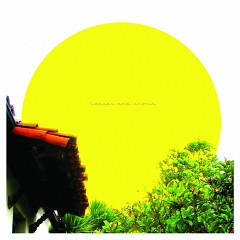
    Le guitariste Antoine Berthiaume, qui vient de faire paraître son deuxième album (Leaves and Snows, avec Quentin SirJacq et Norman Teale), s’envole pour une tournée au Japon. On pourra entendre {nbio:berthiaume_an} en compagnie de Yuki Saga à Yokohama le 12 juillet 2005; avec Ezaki Masafumi et Takashi Kojima à Osaka le 15 juillet 2005; avec Takumi Seino à Kobe le 18 juillet 2005; avec Haco, Tim Olive, Makoto Inada, Shinichi Isohata, Kou Iwata et Bunsho Nisikawa à Osaka le 19 juillet 2005; avec le groupe Slow Children à Yokohama le 21 juillet 2005; finalement, {nbio:berthiaume_an} jouera de nouveau avec Yuki Saga à Tokyo le 26 juillet 2005.

    Mingus Erectus dans Splendid E-Zine

    «Review», Andrew Mal, Splendid E-Zine, 13 juin 2005
    lundi 13 juin 2005 Presse

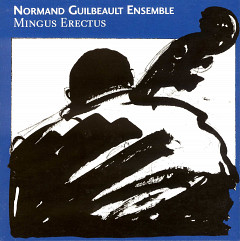
    Known primarily for his post-bop and avant-garde/free jazz compositions, and for playing in the eclectic Montréal jazz scene, Normand Guilbeault competently leads his combo through the many twists and turns of Charles Mingus’s compositions on Mingus Erectus. This isn’t new to him, however — Guilbeault has included Mingus charts in his band’s live repertoire since its inception, recorded Mingus pieces for his previous albums, and even issued a previous tribute record, 1996’s Homage À Mingus.

    Mingus Erectus is a live document of a tight repertory band playing some of the last century’s most inventive jazz. As a composer, Mingus began with Duke Ellington’s lush orchestration, then added an extended harmonic and rhythmic sensibility. As a bassist, he redefined post-bop bass as a solo instrument to rival its rhythmic importance. Guilbeault’s homage stresses both of these sides — he holds down the ensemble with his own superior bass playing while drawing fantastic performances from his sidemen, most notably Jean Derome (saxophones and flute) and Ivanhoe Jolicoeur (trumpet and flugelhorn).

    The album’s track selection ranges from the immediately recognizable favorites Pithecanthropus Erectus and Tijuana Gift Shop to the more esoteric All The Things You Could Be By Now If Sigmond Freud’s Wife Was Your Mother. Fable of Faubus (a reference to the Arkansas governor who fought against the integration of Little Rock’s public schools) is re-imagined here as the lively Fable of (George Dubya) Faubus, with appropriate lyrics: “Why is he so sick and ridiculous? / He lied to the whole world about Iraq! / And he’s a fool!” The album’s only original track is Derome’s MDMD, and it fits surprisingly well among the older charts. Guilbeault and his Ensemble do Mingus’s music justice, and then some.
    Guilbeault and his Ensemble do Mingus’s music justice, and then some.
  • 15
  • 16
  • 17
  • 18
  • 19
  • 20
  • 21
  • 22
  • 23