Sauter au contenu principal
actuellecd

Blogue

258 résultats
  • 7
  • 8
  • 9
  • 10
  • 11
  • 12
  • 13
  • 14
  • 15
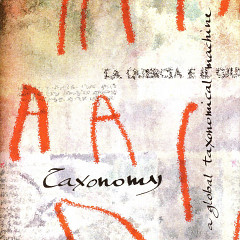
  • A Global Taxonomical Machine dans Les Cahiers de l’ACME

    «Critique», Roald Baudoux, Les Cahiers de l’ACME, no 224, 17 septembre 2005
    samedi 17 septembre 2005 Presse

    Taxonomy est un trio italien formé en 2003 et composé de Elio Martusciello (guitare et instruments électroniques), Graziano Lella (ordinateur portable), également connu sous le pseudonyme arg, et Roberto Fega (échantillonnage et traitement). Martusciello n’est pas un inconnu, puisqu’il mène une carrière de compositeur électroacoustique et a remporté de multiples concours dans le monde entier. Mais ici, les musiques sont co-composées avec les autres membres de la formation. De plus, l’improvisation occupe également une large part dans la construction de ces musiques (Martusciello et Fega font d’ailleurs partie du groupe d’improvisation bien connu Ossatura). Les matières sonores présentes A Global Taxonomical Machine démontrent un savoir-faire certain dans l’utilisation de l’outil électroacoustique au travers de la qualité de facture, presque équivalente à ce qu’on peut trouver dans des pures musiques de studio. Taxonomy parvient à relier de manière heureuse des univers variés et des atmosphères sonores contrastées, tantôt agitées, tantôt d’un calme olympien. Malgré ces qualités indéniables, il manque à ces musiques un peu de densité dans l’écriture et surtout une forme. En effet, la succession d’états statiques basés sur des figures sur fond ne donne pas à percevoir une réelle dynamique à l’œuvre dans le temps.

    Taxonomy parvient à relier de manière heureuse des univers variés et des atmosphères sonores contrastées, tantôt agitées, tantôt d’un calme olympien.

    A Global Taxonomical Machine dans Sands Zine

    «Recensione», Marco Carcasi, Sands Zine, 15 septembre 2005
    jeudi 15 septembre 2005 Presse

    Martusciello, Fega e Lella, come se nulla fosse in punta di piedi e senza strepiti eccessivi ti vanno a generare un dischetto agile e snello che nel giro di pochi ascolti si ritaglia (impossessa) un suo spazio fisso accanto (dentro) al lettore cd.

    Microstatiche scariche granulose che s’intoppano e s’ingozzano di silenzi (mai troppo silenti) evocativi e placidi spesso interrotti da dolci incursioni acustiche subdole come bacio di serpente.

    La lente d’ingrandimento utilizzata dai tre è perfetta risultante del lavoro d’affiato creatosi nel corso di numerose pubbliche adunanze che, 1+1+1 generano un percorso acustico fatto di microscopiche celle d’isolamento per singole parti costituenti di ambienti ben più vasti.

    Elettroacustica vagabonda e ricerca del dettaglio, linea d’ombra acusmatica che come nella bellissima Behind Me attraversa e travalica con economia di suoni diversi strati stilistici non impantanandosi mai per un attimo in nessun luogo fisso.

    Migrazioni neurali veloci e serene lungo una serie di ellissi sensoriali affascinanti come poche altre in questo periodo razzolando bellamente fra spasmi improvvisativi ed istanze subdolamente minimali;un retrogusto sarcastico di fondo a far la differenza.

    Sembrano bellissime e strane creature balbettanti cresciute all’ombra di una montagna fatta di dubbi, sembrano creature semplici che subiscono un continuo ed involontario spostamento in avanti nel momento stesso che le si incontra, scorbutiche e poco loquaci; non concedono facili appigli interpretativi se non quello di una fragranza generale che resta a lungo nell’aria dopo il loro passaggio.

    Una particolare risonanza interiore che scuote nel profondo senza mai essere ostile.

    Armonia e consapevolezza.

    Azione e pratica.

    These are fast and serene neural migrations that move along a series of sensorial, fascinating ellipses…

    6 – 8 octobre 2005: Pallandre et López au Festival Sonorités, Montpellier

    vendredi 9 septembre 2005 En concert

    Le duo d’électroacoustique Kristoff K.Roll et l’écrivain Anne-James Chaton proposent une sélection variée d’artistes lors du festival Sonorités, dédié aux écritures contemporaines en poésie, musique improvisée et art sonore, du 6 au 8 octobre 2005 à Montpellier (France). Parmi les artistes invités, mentionnons les compositeurs Jean Pallandre le 7 octobre 2005 et Francisco López le 8 octobre 2005.

    A Global Taxonomical Machine dans Kathodik

    «Recensione», Marco Carcasi, Kathodik, 8 septembre 2005
    jeudi 8 septembre 2005 Presse

    La realtà muta continuamente a seconda del punto di osservazione. Una strada non è soltanto una strada, è stata montagna, foresta, probabilmente mare aperto; forse anche poco più di nulla.

    Il concetto di tempo stesso il più delle volte non è altro che un puro distillato di commercio che poco aggiunge alla vita di un individuo; anzi! Martusciello, Lella e Fega paiono estremamente consapevoli della doppiezza che si agita sotto ogni cosa ed evento, nella loro produzione in solitaria risulta evidente la continua necessità di travalicare gli schemi abusati di certa impro elettroacustica, il modello ideale è la perdita; non la certezza.

    Il linguaggio di questa uscita unitaria sembra ampliare di molto le singole prospettive offrendosi come ipotetico specchio convesso generante visioni alterate della realtà circostante. Il passaggio di Ad Esempio con la sua linea clarinettistica sibillina a punto interrogativo che si muove su una serie di disturbi di fondo è esemplare nel suo incedere enigmatico, gli scossoni in lontananza paiono reali disturbi del quotidiano che irrompono sulla scena; un cattivo sogno consapevole di essere cattivo?

    Probabilmente si.

    Quando in Eme, fra silenzi e disturbi vari una voce femminile esclama, scamorza e prosciutto prima di essere reingoiata dal suono tutto si chiarifica come d’incanto.

    Ipotetica colonna sonora per documentario su un Miles Davis che non produce una nota, ipotetica colonna sonora per un documentario sui Throbbing Gristle alle prese con il sugo per la pasta durante le registrazioni di “20 jazz Funk Greats”; ipotetica colonna sonora per un film che deve essere ancora girato.

    Perfetta conchiglia da accostare all’orecchio in caccia di tesori nascosti, se poi si sente il rumore del mare o meno questo non è un problema; l’importante è la conchiglia e quel che si vuol sentire.

    Il resto arriverà in seguito da solo, in un’altro momento e non richiesto. Le contorsioni lunari o circensi a seconda del proprio stato d’animo che agitano Dipinto sul Nulla sono, se possibile, l’ennesima conferma di quanto si diceva prima.

    Il travalicamento del vedere e sentire.

    Una strada che parte come strada e poi si tramuta all’improvviso in bosco e poi diventa pietra e poi torna ad essere strada.

    Senza ombra di dubbio uno degli snodi cruciali della nostra contemporaneità nostrana.

    Uscite e fatelo vostro ad ogni costo.

    Voto 8

    Senza ombra di dubbio uno degli snodi cruciali della nostra contemporaneità nostrana.

    A Global Taxonomical Machine dans Kathodik

    «Recensione», Etero Genio, Kathodik, 8 septembre 2005
    jeudi 8 septembre 2005 Presse

    Attendevo con una certa curiosità questo esordio del trio (quasi) romano, e l’attesa è stata ampiamente ripagata da un CD pubblicato con il prestigioso marchio canadese della Ambiances Magnétiques. A Global Taxonomical Machine è, assecondando l’idea della eccelsa confezione, un disco di graffiti sonori, scampoli in perenne bilico fra ordine e disordine: più il loro stato di equilibrio appare precario e più il loro aspetto risulta affascinante. Un’altra nota riguarda le strutture che, per quanto ardite, non prevaricano mai il piacere dell’ascolto. La prima pista, Bear Witness Against Themselves, fa immediatamente eco alle mie parole, con quel suo tema da zampognari che si perde, si dissolve, in grumi di voci incontrollate, colpi di tosse e risonanze metalliche. Light the Fires of Insubordination mantiene la tensione piuttosto alta, con uno spericolato contrasto fra una prima parte molto rumorosa ed una seconda dalle pulsazioni impercettibili, quasi silenti. Ma è nella bellissima melodia tracciata dal clarinetto (Roberto Fega?) e continuamente ‘svergognata’ da suoni illogicamente a-melodici, (Ad Esempio, che il trio raggiunge il suo vertice espressivo. Dopodiché ogni probabilità entra nel limite del possibile, anche il ritmo classicamente jazzy sottinteso nella sezione iniziale di Dipinto sul Nulla… ma questo ‘avant le désastre’, cioè prima che un voltafaccia trasformi lo stesso titolo in una cosa che rolla come fosse una Gimme Some Lovin’ per la città dell’utopia digitale. È così che Behind Me, una sottile lezione di ambientologia minimale, finisce per essere il momento più scontato di tutta la raccolta. La tensione torna subito su alti livelli con Eme, il pezzo più aggrovigliato e ricco di variazioni, un autentico colpo basso ad ogni idea di stabilità. Segue un breve tratteggio ripetitivo intitolato Exaust Utopias e un frammento di otto secondi ricollegabile a In primo luogo degli Starfuckers (Creare Metafore). Il disco si chiude sulle avvolgenti linee secanti di Euglena che, insieme a Ad Esempio, candiderei per il podio. Un disco super consigliato e da affiancare, nel caso vogliate approfondire, ad alcune ottime realizzazioni soliste dei tre musicisti: Unoccupied Areas (ReR) di Elio Martusciello, Arg (SIRR.ecords) di Arg/Graziano Lella e Metafonie (Aleatory prod.) di Roberto Fega.

    Voto 8

    Un disco super…

    Jean Derome dans The Globe and Mail

    «Carden Street’s Montréal Invasion», Mark Miller, The Globe and Mail, 6 septembre 2005
    mardi 6 septembre 2005 Presse

    It’s the proverbial tale of two cities at the Guelph Jazz Festival this year. This modest but always visionary event, which begins its 12th season tomorrow, honours Chicago’s Association for the Advancement of Creative Musicians on the occasion of its 40th anniversary and acknowledges Montréal’s vibrant musique actuelle scene, now into its third decade.

    The Americans, of course, will get most of the attention, culminating Saturday night when the lately reconstituted and still legendary Art Ensemble of Chicago performs at the River Run Centre. But the Québécois, with their up-to-the-moment mix-and-match of ideas from the jazz, rock, pop and classical avant-garde, should not be overlooked.

    Some 50 Montréal musicians will have appeared in this Southwestern Ontario university town before the festival concludes on Sunday. One of their number, saxophonist and flutist Jean Derome, likens them collectively to “a tribe of Indians,” with the important qualification that “the chief changes all the time.”

    It is, in other words, a highly collaborative and co-operative community. Derome estimates its representation in Guelph this year to be “more than half of what’s happening in Montréal,” where, he notes rather provocatively, “maybe there are even more groups than there are musicians.”

    As that suggests, many of the players do double, triple and quadruple duty in each other’s bands.

    Indeed, ask Derome about the number of groups to which he himself is a party, either as leader or band member. “Now, not too many,” he responds mildly, in a telephone interview from his home in Montréal’s Plateau neighbourhood. “The active ones — around 10 or 12. Less than usual.”

    Derome, a stout yet soft-spoken fellow just turned 50, has been a pivotal figure in Montréal’s left-of-centre musical circles since the mid-1970s, predating the advent of musique actuelle as a catch-all category for the city’s funky, largely Francophone avant-garde. His activities, well documented on CD by the Ambiances Magnétiques label that he and others established in 1983, are remarkable for both the breadth of music and the amount of sheer hard work that they represent.

    One of those aforementioned 10 or 12 bands of the moment is Évidence, whose raison d’être for more than 20 years has been the music of Thelonious Monk. The trio — Derome, bassist Pierre Cartier and drummer Pierre Tanguay — will appear on Friday at the Guelph Youth Music Centre.

    Another is the Fanfare Pourpour, a street band that is scheduled on Saturday afternoon to lead a parade along Wyndham Street and then give a free concert of waltzes and other traditional European music at the festival’s Carden Street tent. There can be as many as 20 musicians in the Fanfare, which often performs in Montréal for social or political causes.

    Derome calls it a “very beautiful, utopian group,” noting that it is run by two of its members, guitarist Luc Proulx and singer-accordionist Lou Babin, as if it were a family rather than a business. “They decided I was artistic director,” he admits rather uncomfortably, referring to the Fanfare’s otherwise wholly egalitarian membership. “I don’t know about that.”

    A third band of those 10 or 12 is the Pierre Cartier -led sextet that will offer the bassist’s classically informed, jazz-song settings of several Québécois poems on Thursday night at Mitchell Hall. A fourth is guitarist Rainer Wiens’s sextet Follow Follow, whose African-derived rhythms will rock the Carden Street tent on Saturday afternoon. That’s an impressive range of musical idioms for one musician to embrace in just three days, and it still scarcely touches on Derome’s work in free improvisation as heard last ear at Guelph in the form of Nous perçons les oreilles (We Pierce Ears), a duo with his wife, the singer and saxophonist Joane Hétu.

    So what makes Jean, um, blow?

    He harks back to his earliest experience as a musician. “The first time you play music,” he suggests, “there’s something there that will always be your way of being a musician. The rest is just learning how to do it, how to say it, how to be more accurate each time you play. But even in the ’nest,’ everything is already there.”

    And Derome’s “way” of being a musician? “First of all, I try to approach music with an open mind. I think that music can be many things. I try to be aware of different cultures, different eras, different styles — and not just as if they’re different clothes that you can wear. I’m always surprised to see that some musicians treat a style of music with disrespect, like a symphony musician who laughs at mariachi musicians, for example. You know, there’s something in the triplet ’swing’ that a mariachi band has that no symphony musician can play.”

    Not to mention the triplet swing of Thelonious Monk — whose compositional trickery continues to tease and taunt even the wisest of jazz musicians. Derome, however, heard something quite basic when he first encountered the American pianist’s music. “It was really open; there was space for me to learn. It’s like Johann Sebastian Bach’s music: There’s something that’s… well, I wouldn’t say neutral… but there’s not so much dramatic ego — the way there is in [Charles] Mingus’s music. For a long time I felt you couldn’t play Mingus’s music if you were not Mingus, it was so personal.”

    Rest assured, Derome knows his Bach and he knows his Mingus. Years ago, he studied the classics at the Conservatoire de musique du Québec à Montréal; lately, he has come to terms with Mingus as a member of the Normand Guilbeault Ensemble, which recently released its second CD devoted to the American bassist’s music.

    “In Monk,” Derome continues, “the tunes are like puzzles. There’s always something. It’s like having a rock outside your house and each time you go by, you stub your toe on it; each time you arrive at bar seven, second beat, there’s a strange note. So you have to be very aware. It’s always very exciting to play and it doesn’t let you just show off your technique; you have to think about the pieces and find a specific feeling for each one.”

    In the end, Monk, Bach, Mingus, waltzes, African grooves, free improvisation and mariachi music are all, in Derome’s eyes, simply “different facets of the same diamond.” Accordingly, it’s only right that he should add on his own behalf, “Sometimes maybe I’m a bit of a chameleon and I change, depending on the context. But I think, deeply inside, it’s always the same musician.”

    “The first time you play music,” he suggests, “there’s something there that will always be your way of being a musician. The rest is just learning how to do it, how to say it, how to be more accurate each time you play. But even in the ’nest,’ everything is already there.”
  • 7
  • 8
  • 9
  • 10
  • 11
  • 12
  • 13
  • 14
  • 15