actuellecd

Blog

304 results
  • 40
  • 41
  • 42
  • 43
  • 44
  • 45
  • 46
  • 47
  • 48
  • Les contes de l’amère loi in Octopus

    “Critique”, Vincent Lecoeur, Octopus, no. 27, March 1, 2004
    Monday, March 1, 2004 Press

    Réédition de 1986, cette pépite d’un trio important pour l’histoire du label (formé de Diane Labrosse, Danielle Palardy Roger et Joane Hétu) offre toutes sortes de hurlements de saxophone alto, brassés par des boites à rythmes qui sonnent tellement archaïques aujourd’hui. Le jeu de batterie est bien foutraque qui confère, grâce à l’adjonction des DX7 et autres, un petit côté Tuxedomoon dérangé et piailleur. Morceau d’histoire.

    Morceau d’histoire.

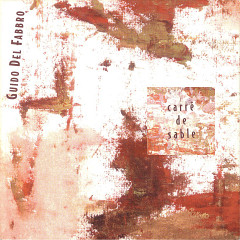
    Carré de sable in SOCAN — Paroles & Musique

    “Critique”, Gilles Boisclair, SOCAN — Paroles & Musique, no. 11:1, March 1, 2004
    Monday, March 1, 2004 Press

    Violoniste de la Fanfare Pourpour et de Rougo Ciel, Guido Del Fabbro s’aventure pour son premier projet solo dans l’univers du bruitisme et de l’électroacoustique. Le titre Carré de Sable n’est pas un hasard, puisqu’il y joue avec les ambiances sonores et les improvisations multi-pistes, mariant instruments acoustiques (violon, flûtes, banjo), tourne-disque et cafetière. Un voyage insolite traversé par des mélodies envoûtantes. Âgé de 23 ans, Guido Del Fabbro nous étonne par son originalité.

    Un voyage insolite traversé par des mélodies envoûtantes.

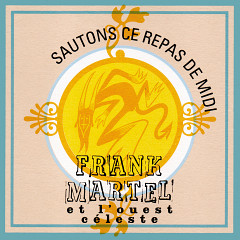
    Sautons ce repas de midi in Nightlife

    “Critique”, Olivier Lalande, Nightlife, no. 53, March 1, 2004
    Monday, March 1, 2004 Press

    Difficile de ne pas se laisser aspirer par l’univers fascinant du poète local, sur ce second album qu’on espère promis à un maximum de reconnaissance. Usant à bon escient du profil de ses collègues, des vétérans du monde de la musique actuelle (Bernard Falaise, Michel F Côté), Martel livre une chanson rock aussi planante que dépouillée, aussi expérimentale qu’accessible. On pense à Urbain Desbois, les grimaces en moins et le troisième œil en plus, et on pense qu’on n’entend pas assez parler de ce gars-là.

    … on pense qu’on n’entend pas assez parler de ce gars-là.

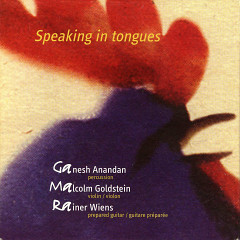
    Speaking in Tongues in The WholeNote

    “Review”, John S Gray, The WholeNote, no. 9:6, March 1, 2004
    Monday, March 1, 2004 Press

    If you thought that avant-garde-post-jazz improvisation had vanished forever, think again. Practitioners of the art have always needed to have at their fingertips a combination of incredible virtuosity, an innate grasp of musical form and the ability to listen analytically, even when wailing away on an instrument. In the past, some players revealed their weaknesses in this kind of exercise. But if anyone possesses such magic these days, Wiens, Goldstein and Anandan have it, as evidenced on this new CD.

    The metallic combinations of the solo violin linked with guitar at times remind one of King Crimson in their Lark’s Tongue in Aspic era, particularly in RaMa. However, this Montréal-based trio strives for more stratospheric heights than anything we heard in 1973. Of the most effective pieces, Fra Ma Ga Ra includes saxophonist Frank Lozano. Anandan’s gentle kalimba leads us into an oasis of peace on the last track, Lullaby.

    Ambiances Magnétiques persist in publishing discs in cardboard tri-fold sleeves, for reasons unclear. They’re easily bent or mangled if you pop them in pocket or purse. Nonetheless, it gives the designer a big area to work in. But the photo has the musicians posing stiffly, bundled in winter overcoats with instrument cases slung about them. Surely it would have been more interesting to show us a glimpse of the session itself, with musicians in the white heat of improvisation. Nevertheless, this is a remarkable disc.

    But if anyone possesses such magic these days, Weins, Goldstein and Anandan have it.

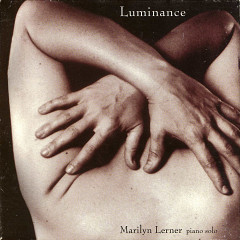
    Luminance in The WholeNote

    “Review”, Phil Ehrensaft, The WholeNote, no. 9:6, March 1, 2004
    Monday, March 1, 2004 Press

    Microphones have been integral to “acoustic” jazz since the 1920’s: without amplification, the bass fiddle would drown, the New Orleans tuba would still oom-pah away and singers could not be star soloists. Skilled soundmen enabled audiences to hear what musicians intended. Pianist Marilyn Lerner takes this full circle. She’s extended her knowledge of suitable miking for piano recordings to include different types and placements of microphones as an extension of her keyboard. The instrumentation is really piano plus Neumann U87’s, Sennheisers, Rodes, Audiotechnica, RCA BKSB’s, a classical guitar contact mike, razor mike, 4” loudspeaker and Casio EM500 PDA codec. Luminance is really a duo performance by Lerner and sound engineer Steve Lebrasseur.

    It’s worth buying Luminance just to hear Codec Moment, which incorporates resonance from the tiny mike in a Casio PDA. And that’s not the only golden track. Other experimenters drum on their pianos, but La boxe goes further: Lerner plays a mean Afro-Cuban jazz piano reminiscent of Tito Puente. She transforms her piano into an astounding Yoruba drum. Most tracks are 78-era short. Whether plucking, strumming, striking the innards of her instrument, or imagining new soundscapes for her keyboard, Lerner gets right to the point. There’s not much New York Bad Boy elbow-pounding on the keyboard, virtuosity and imagining new acoustics do the trick. Jazz luminaries like Steve Lacy, Sonny Greenwich, and Gerry Hemingway seek Lerner out. On Luminance, we hear why.

    Lerner gets right to the point.

    Keep the Dog: That House We Lived In, Jean Derome, Fred Frith, René Lussier in Audion

    “Reviews”, Alan Freeman, Audion, no. 49, March 1, 2004
    Monday, March 1, 2004 Press

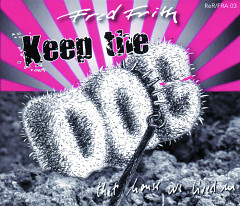
    A case of bad planning, the day we happened to start up Ultima Thule as an official business, I’d already booked to see Keep The Dog at the South Bank in London. That was Monday July 3rd, 1989, and an excellent concert it was too. Keep The Dog then consisted of: René Lussier (guitar), Jean Derome (winds), Zeena Parkins (piano, synth, harp and accordion), Bob Ostertag (sampling keyboard) and Kevin Norton (drums, percussion). The only downside of that concert was the guest appearance of John Zorn, whose mad squawking winds ruined a couple of otherwise excellent numbers. Two years down the line, and we have basically the same international troupe, but with ex-This Heat drummer Charles Hayward instead, and no John Zorn. Recorded at various gigs in Austria, Germany and Italy, it amounts to an extremely varied ride through the musical history of Fred Frith. There’s lots of familiar stuff, done in unfamiliar ways, and as much that’s unique to the Keep The Dog band that has never been released before. This includes a number of improvisations, and lots romping rollicking stuff. It’s a shame really that Keep The Dog never made a studio album, but at least there’s now this document to prove their existence to all those that missed out. I wonder if they’ll ever issue anything from the 1989 version of the band?

    … an extremely varied ride…
  • 40
  • 41
  • 42
  • 43
  • 44
  • 45
  • 46
  • 47
  • 48