actuellecd

Blog

6 results

L’oreille enflée, Ambiances Magnétiques in Revue & Corrigée

“Critique”, Pierre Durr, Revue & Corrigée, no. 26, December 1, 1995
Friday, December 1, 1995 Press

L’approche des musiques contemporaines, différentes, plus ou moins expérimentales reste encore trop l’apanage d’une minorité d’adultes. Cette attitude de refus du grand public, son manque d’ouverture et son absence de curiosité a certes plusieurs origines, mais trouvent aussi sa source dans l’éducation. Les futurs mélomanes se doivent d’être formés a l’appréhension des nouvelles formes, plus innovatrices, de la musique.

C’est dans cette optique qu’il faut saluer deux initiatives, qui dépassent le simple enregistrement d’œuvres pour enfants, telle la collection «Zéro de Conduite» chez Audivis (Un DMI, Pied de Poule… ) ou la production de L’oreille enflée de Danielle Palardy Roger.

Les futurs mélomanes se doivent d’être formés a l’appréhension des nouvelles formes, plus innovatrices, de la musique.

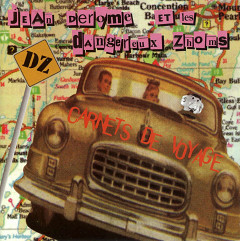
Carnets de voyage in All About Jazz Italy

“Review”, Maurizio Comandini, All About Jazz Italy, October 12, 1995
Thursday, October 12, 1995 Press

Il saxofonista canadese Jean Derome è da sempre al centro di progetti interessanti che spaziano da situazioni di musica d’avanguardia più legata alla musica contemporanea che non al jazz, a situazioni di appassionata dedizione al repertorio di Thelonious Monk (per leggere le recensioni dei suoi due dischi con il gruppo Évidence, Live à la Casa e Musique de Thelonious Monk clicca qui e qui).

In questo caso lo troviamo alle prese con il suo sestetto Dangereux Zhoms,impegnato in undici brani tutti composti da Derome durante le tournée, sui treni,nelle stazioni, negli aeroporti, sugli aerei. Di qui l’inevitabile titolo che cita i biglietti del viaggiatore.

La musica si staglia con grande forza in una dimensione che prende un po’ dalla musica creativa, un po’ dal rock progressivo, un po’ dal jazz. Un possibile apparentamento potrebbe essere rappresentato da certi gruppi inglesi dei primi anni settanta, ma una parte di rilevo, nelle fonti di ispirazione, dobbiamo riconoscerla anche alla musica creativa e insofferente che si sviluppava, nei primi anni novanta, nella scena downtown neyorchese che ruotava attorno alla Knitting Factory (pensiamo ad esempio ai Lounge Lizard del periodo di mezzo, quando alla chitarra era presente il bravissimo David Tronzo).

Gli intrecci timbrici fra l’aggressiva chitarra elettrica dell’ottimo René Lussier e il trombone gorgogliante di Tom Walsh sono uno dei punti di forza di questa formazione, ma non mancano le occasioni per apprezzare il contributo del tastierista Guillame Dostaler e dei due ritmi, Pierre Cartier al basso elettrico e Pierre Tanguay alla batteria. Due ritmi abituati a suonare con Derome anche in altri progetti e quindi molto ben inseriti all’interno di questo progetto.

Si parte con una sorta di finto blues (En culottes courtes, on gèle) che chiarisce subito le intenzioni ed il clima. Su un fondale dominato da un organo minaccioso si scatenano gli scatarramenti del trombone che si intrecciano con le bordate iper-elettriche della chitarra e con le frasi angolari del sax. L’elettricità è densa e pervade ogni spazio, rendendo la musica scoppiettante di energie che si disperdono nello spazio. Seguono due suite (ognuna composta da 4 brani) che portano via circa cinquanta minuti appassionati e variegati (per esempio ascoltate il divertente, ma allo stesso tempo strano, Calypso che chiude la prima suite, con quella frase di pianoforte che richiama il ritmo di base, mentre la musica attorno va per i fatti propri) e ancora due brani ‘indipendenti’ che chiudono degnamente questo ottimo album.

… cinquanta minuti appassionati…

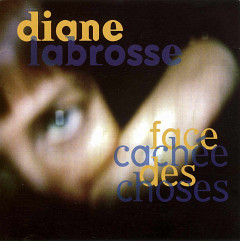
Face cachée des choses, Diane Labrosse in AllMusic

“Review”, François Couture, AllMusic, June 1, 1995
Thursday, June 1, 1995 Press

A keyboardist who turned to the sampler in the early 1990s, Diane Labrosse offered with Face cachée des choses her first solo album. She crafted 13 pieces out of found sounds, mostly domestic or environmental. On a few tracks she added her felt voice or a simple keyboard part. Although this is a sampler album, it has very little to do with the deconstructionist approach of one Bob Ostertag, the roughness of Ikue Mori or even musique concrete. Labrosse’s music remains close to the song format, it feels like instrumental music made with anything but musical instruments. From tenderness (Nénuphar) to downright sillyness (Île de Pâques), Face cachée des choses unfolds like a collection of 13 poems. Each one of them conjures emotions, memories, reactions, but its meaning often lingers out of reach. Later Labrosse will release more substantial and experimental albums, such as the free improvisation trio Île Bizarre and the large-scale project Petit traité de sagesse pratique, but this one feels more intimate and surely is her most accessible CD. Think of it as a guilty pleasure between her work in the avant-rock groups Wondeur Brass and Justine, and her later efforts.

Think of it as a guilty pleasure…

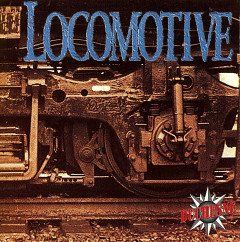
Locomotive in e/i magazine

“Review”, Michael Draine, e/i magazine, April 1, 1995
Saturday, April 1, 1995 Press

Guitarist André Duchesne has long been Canada’s premier exponent of rock-based new music, having helmed three line-ups of Conventum (1977-82), two generations of Les 4 Guitaristes de l’Apocalypso Bar, and now the guitar (plus drums) trio, Locomotive. Both second guitarist Claude Fredette and Miriodor drummer Remi Leclerc performed on the second 4 Guitaristes LP Fin de siècle, as well as on Duchesne’s large-ensemble concert work “L’Ou’l”, while guitarist/bassist Francis Grandmot is a new name to me. Continuing the tradition of Les 4 Guitaristes, Locomotive abounds with cascading, interlocking melodies, hot splayed leads and abbreviated, jaunty riffs, firmly anchored by Leclerc’s crisp, oblique backbeat. Never content to repeat himself, Duchesne has spiked the brew with an ingredient some might find indigestible: boxcar blues. Duchesne’s blues blanche vocals vary from the merely eccentric to the outright comic, while the juxtaposition of the clipped guitar riff from Archie Bell and the Drells’ Tighten Up against an over-the-top James Brown impersonation on Sex-Duction is clearly calculated for laughs. Fortunately, Duchesne’s freightyard musings disable only a few cuts, leaving room for plenty of the passionate, seemingly effortless fretwork and kinetic interplay that’s the highlight of his every undertaking.