actuellecd

Blog

163 results
  • 10
  • 11
  • 12
  • 13
  • 14
  • 15
  • 16
  • 17
  • 18
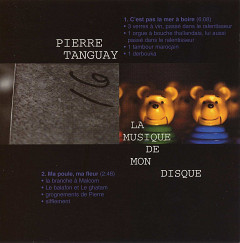
  • La musique de mon disque in Blow Up

    “Recensione”, Etero Genio, Blow Up, no. 26-27, July 1, 2000
    Saturday, July 1, 2000 Press

    La musica del disco di Tanguay è suonata con oggetti riciclati, strumenti etnici e strumenb autocostruiti. La musica del disco di Tanguay e sottile. elegante e leziosa, La musica del disco di Tanguay è nostalpicamente ambientale, Frammenti di quartomondismo. fuochi etniambientale visti da lontano, sogni flautati suggeriti dal dio Pan, elementi edulcorab per un caleidoscopio di colori e idee tanto brillanti quanto inconsistenti, Una nuova era in cui la ricerca sonora può fare salotto, Fumo e arrosto. Mancanza di sincronia. (5)

    5

    Tricotage in Blow Up

    “Recensione”, Etero Genio, Blow Up, no. 26-27, July 1, 2000
    Saturday, July 1, 2000 Press

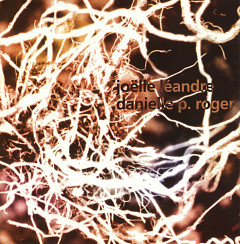
    Sto pensando da tempo a un anticolo su Joëlle Léandre, ogni approccio viene però scoraggiato dalI enorme moie e varietà di situazioni attraversate dalla contrabassista francese — improvvisatrice con Derek Bailey, Anthony Braxton, Evan Parker, George Lewis, John Zorn… oltreché raffinata interprete di John Cage.

    Giacinto Scelsi… Un’attitudine a 360˙ che oltretutto ha dato sostanza a una produzione come mimmo interessante. Un nuovo colpo alle mie velleità viene ora dato da questa coIlaborazione con la percussionista francofono-canadese Danielle Palardy Roger 11 background delle due strumentiste trova sistemazione in 9 improvvisazioni dove la cerebralità gnumosa della musica contemporanea, improwisata e non. si disfà via via in straniati attimi di melodia e ritmo, fino alle premonizioni ritualistico-iniziatiche di Coupes blanches e ai 59 secondi, tutti cageani. Della conclusiva Derniere minute,

    Tricotage è un dovere per coloro che già rimasero impigliati nella rete tesa dall ammaliante contrabbassista, e un ottimo inizio per tutti i neofiti. Ma stiano attenti gli ultimi, e si ancorino ben bene alla realta. perche e arduo sfuggire atle lusinghe di tali Sirene; okay, al plurale, perché sarebbe ingiusto ignorare il contributo dato dalla Roger, la cui concezione del “drumming” soffice fresca moderna faniasiosa e contraltare perfetto alle scorribande della contrabbassista. (7)

    Roger, la cui concezione del “drumming” soffice fresca moderna…
    7

    Petit traité de sagesse pratique in ImproJazz

    “Critique”, Luc Bouquet, ImproJazz, no. 67, July 1, 2000
    Saturday, July 1, 2000 Press

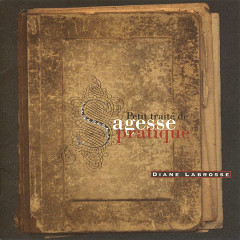
    Toute l’équipe du label Ambiances magnétiques se retrouve ici aux côtés de Diane Labrosse pour cet heureux détournement de proverbes.

    Traité de sagesse pratique en cinq tableaux (philosophie, sagesse, sentiments, quotidien, morale) et trente-sept courtes pièces collages; Diane Labrosse détourne free jazz, chant grégorien, toccata, musique aléatoire et negro spiritual avec un humour dévastateur.

    Quelques perles glanées au hasard: Deuil pour deuil, an pour an, Plus on est mou, plus on s’excuse; Une loi n’est pas Coutume; L’argent n’a pas d’honneur, etc. C’est riche, ça fourmille, c’est résolument inclassable, diablement jouissif et c’est indiscutablement l’une des plus denses productions du label québécois. À consommer sans modération aucune.

    C’est riche, ça fourmille, c’est résolument inclassable, diablement jouissif et c’est indiscutablement l’une des plus denses productions du label québécois. À consommer sans modération aucune.

    -28+Alieni in Splendid E-Zine

    “Review”, George Zahora, Splendid E-Zine, June 19, 2000
    Monday, June 19, 2000 Press

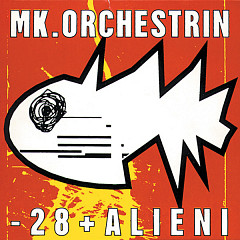
    Drummer Mirko Sabatini is apparently a pioneering percussionist, attempting to convey the abilities and potential of his instrument. This isn’t, however, some sort of horrifying “drum circle” album; the disc’s jacket lists motors, plates, springs and rubber bands in Sabatini’s sonic palette. Unfortunately, a lot of -28+Alieni sounds like someone rummaging through a darkened kitchen — it’s a series of isolated bangs, pings and knocks. A curious disparity in recording levels comes to a head on Eventi, which features the aforementioned motors. If you’ve turned your stereo up loud enough to hear the rest of the disc, Eventi will be absolutely deafening. People will ask you what you’re doing running an industrial grinder, and you’ll be forced to wave -28+Alieni in their faces and stammer effusively. Ultimately, though it has some moments of aurally interesting moments, the disc fails to live up to the intangible promise of the lurid, angular fish painted on its cover. Put it in the “needs a visual component” pile.

    Huskless! in Musicworks

    “Review”, Tim Brady, Musicworks, no. 77, June 1, 2000
    Thursday, June 1, 2000 Press

    Lori Freedman is ready for the 21st century, but is the 21st century ready for her? An accomplished bass clarinet soloist, chamber and orchestral musician, an imaginative improviser and a composer of considerable savy, she represents the best aspects of our new, multi-faceted century. Her new cd Huskless! is an impressive sampler of compositions and improvisations, all recorded live, that present her in a variety of settings, from solo to duo and ensemble, through to works for clarinet and tape… fantastic sounds full of rich multiphonics, authoritatively and beautifully controlled pitch bends… compositions with a strong sense of counterpoint… improvisations with some of Canada’s finest musicians (Marilyn Lerner, Paul Plimley, Pierre Tanguay and Chris Cauley), with a refined polyphonic sense of interplay within a free sense of form and harmony… The cd is a very creative bit of music programming and it will undoubtedly confuse the maistream media who love to pigeon-hole artists. But Lori’s music, and we the listening public, are the richer for her artistic audacity.

    Les choses dernières in AllMusic

    “Review”, François Couture, AllMusic, June 1, 2000
    Thursday, June 1, 2000 Press

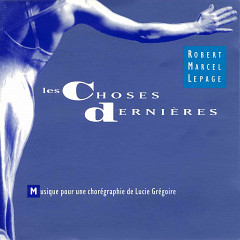
    Les choses dernières was something very much different for Robert Marcel Lepage. Although he had been writing for the screen and the stage for numerous years, he had remained identified with his clarinet and, truth be told, had never put it down whenever music was concerned. But for the music to Lucie Grégoire’s choreography, Lepage made a wild move and scored a fascinating suite for string quartet and sampler. The sampling is done on the quartet itself (the Quatuor Caméléon), therefore its presence becomes almost unnoticeable. The 11 movements of Les choses dernières are segued and play on tension and release, on movement and stillness. Even though not a single clarinet sound is heard, even though the treatment here is a lot more serious and dark than usual, one can clearly recognize Lepage’s writing. His music always had a strong cinematic quality that came from his years of working with or without Jean Derome and René Lussier at the National Film Board of Canada. Les choses dernières takes up where Bernard Herrmann (who scored numerous Alfred Hitchcock movies) left, using plucking and quick, violent strikes of the bow as a mean to provoke emotional reactions, blending these techniques with Bartok’s sensibility. The sense of urgency felt in Urgence is on the verge of unbearable, making it the undisputed standout track. Les choses dernières shouldn’t be approached like an ordinary Robert Marcel Lepage album. The sound palette, mood, and form of the music are radically different than what he usually does. But those who understand his music on a deeper level will be charmed.

  • 10
  • 11
  • 12
  • 13
  • 14
  • 15
  • 16
  • 17
  • 18