Sauter au contenu principal
actuellecd

Blogue

187 résultats
  • 10
  • 11
  • 12
  • 13
  • 14
  • 15
  • 16
  • 17
  • 18
  • 18 mai – 30 juin 2011: La grande vente de printemps!

    mardi 17 mai 2011 Général

    Jusqu’au 30 juin 2011, DAME vous convie à sa grande vente de printemps. Premièrement, tous les disques Les disques Victo vous sont offert à 10% de rabais. Mais ce n’est pas tout, un généreux rabais de 25% vous est aussi offert sur 25 titres du catalogue. Prenez connaissance du catalogue de DAME.

    • Consulter la liste des articles «Étiquette rouge»
    • Consulter la liste des articles à prix réduit

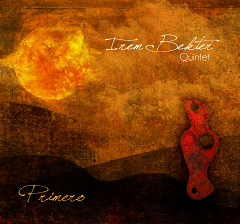
    Primero dans La Presse

    «Irem Bekter: Turquie, Angleterre, Argentine… Montréal», Alain Brunet, La Presse, 17 mai 2011
    mardi 17 mai 2011 Presse

    Le parcours pluridisciplinaire d’Irem Bekter implique la danse folklorique, le jeu théâtral, la musique contemporaine improvisée, la chanson hispanophone d’inspiration sud-andine.

    Née à Istanbul, Irem Beckter grandit en Angleterre avec sa mère, la peintre Ayfer Gursoz. Elle étudie la danse à l’Elmhurst Ballet School, l’art dramatique à la Webber Douglas Academy of Dramatic Art. En 1984, elle migre vers l’Argentine. Elle a tôt fait d’être repérée par la grande Mercedes Sosa, qu’elle côtoie de près. À l’extrême sud des Andes, l’artiste absorbe chants et danses de cette vaste région des Amériques.

    La migration se poursuit à Montréal où elle élit domicile en 2006. Elle y gagne sa croûte en y enseignant la danse. Côté création, elle préconise la synthèse de ses multiples expériences. En 2007, elle fonde le groupe Diabluras, dont les artistes témoignent d’un éclectisme similaire à l’album de son quintette dont il est ici question: Primero, étiquette Malasartes.

    Il faut d’abord s’habituer au mariage atypique des chants latino-américains et de la musique improvisée. Les dialogues avec le saxophone de Damian Nisenson (également son réalisateur et producteur) jazzifient ce discours aux rythmes simples, modulations rarement modernisées, danses élégamment évoquées — zapateo, zamba, chacacera… Complètent la formation le violoncelliste Nicolas Cousineau, le percussionniste Daniel Emden, Willy Rios à la guitare et au charango.

    Une fois ce langage apprivoisé, observe que Irem Bekter ne manque pas de puissance vocale. Ses menus vibratos et ses susurrements lascifs lui confèrent un charme on ne peut plus féminin, ses grognements pelviens peuvent lui donner des airs de passionaria.

    Patrimoine vivant, en somme.

    Encore une fois, ça se passe à Montréal.

    Patrimoine vivant, en somme. Encore une fois, ça se passe à Montréal.
    Bréviaire d’épuisements dans The WholeNote

    «Review», Ken Waxman, The WholeNote, no 16:8, 11 mai 2011
    mercredi 11 mai 2011 Presse

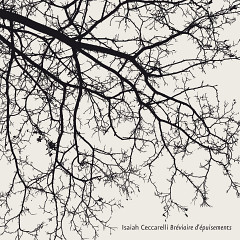
    […] Intertwining horn work is another leitmotif of Henneman’s combo, and in Toronto, Dörner shares the front line with Baars and Montréal’s Freedman. This sort of timbre blending is a regular facet of the bass clarinetist’s performances. It can be sampled on Isaiah Ceccarelli’s dramatic Bréviaire d’épuisements Ambiances Magnétiques AM 199 CD. Much different than the Henneman sextet’s jazz-oriented fare this session amalgamates the ecclesiastical and the atonal. Émilie Laforest and Josée Lalonde intone or vocalize Marie Deschênes’ texts, with distinctive sonic timbres heard alongside these lyric sopranos arising from Freedman’s and Philippe Lauzier’s bass clarinets, Pierre-Yves Martel’s viola de gamba and Ceccarelli’s percussion arsenal. The drummer’s most common strategy involves scrapping cymbals against drum tops, acoustically producing the sort of grinding and buzzing textures that otherwise would be associated with electronics. Meanwhile the cleverly harmonized singers personalize the poetic lyrics while stretching the songs with hocketing pitch variations. One standout passages occurs on La disparation est un mur de plus when the nearly vibrato-less parlando of one vocalist is cushioned by clarinet harmonies. During some pure instrumental passages the similarities between trilling reeds and stroked strings is emphasized as mutual tonal expansions appears to be both notated and aleatoric. […]

    During some pure instrumental passages the similarities between trilling reeds and stroked strings is emphasized as mutual tonal expansions appears to be both notated and aleatoric.

    Tremblement de fer dans Exclaim!

    «Reviews — Improv & Avant-Garde», Alan Ranta, Exclaim!, 3 mai 2011
    mardi 3 mai 2011 Presse

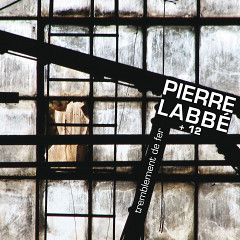
    Kudos to the L’Off Festival de Jazz de Montréal for commissioning Tremblement de fer in celebration of their tenth anniversary. Composed by Pierre Labbé, Tremblement de fer is a suite in seven parts, with each part a microcosm of classical and jazz styles. It rides a few lines that look sketchy on paper ― some that might not work if heard in isolated chunks ― but, as the cliché goes, the whole is worth more than the sum of its parts. Arranged for a 13-piece band, including woodwind and brass sections, a string quartet and a plugged-in rhythm section, the sound of Tremblement de fer never rests. It’s like Charles Mingus and Ennio Morricone wrote a film score together and had it performed by the Andromeda Mega Express Orchestra. Autochtone is as epic as Zeppelin’s Kashmir, yet bursting with more sophisticated orchestration, while La Fille et la grenouille sounds like Baby Elephant Walk stumbling into a sketchy area of New Orleans at the tail end of Mardi Gras. This is intriguing stuff from an obviously talented composer.

    This is intriguing stuff from an obviously talented composer.
  • 10
  • 11
  • 12
  • 13
  • 14
  • 15
  • 16
  • 17
  • 18