Sauter au contenu principal
actuellecd

Blogue

323 résultats
  • 44
  • 45
  • 46
  • 47
  • 48
  • 49
  • 50
  • 51
  • 52
  • Interview dans Blow Up

    «Recensione», Dionisio Capuano, Blow Up, no 141, 1 février 2010
    lundi 1 février 2010 Presse

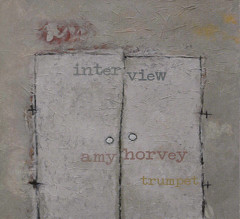
    Nel 2006 Amy Horvey con The Perspective of Disapperance iniziava una serie di concerti per tromba solista, un viaggio attraverso l’identità acustica dello strumento, un tentativo di ripensarlo in maniera più vicina alla sue proprietà sonore. Il cd presenta tre delle quattro composizioni di quel progetto. Nei Quattro Pezzi per Tromba Sola di Giacinto Scelsi vengono esaltate la trasparenza e la tensione trascendente dei toni, mentre Musica Invisibile, della giovane Cecilia Arditto, ci attesta che il timbro può essere sporcato da interferenze del cavo orale, abluzioni e fischiettii e rimanere intatto nella sua intensità lirica. La vocazione alla teatralità è al centro di Apparatus Inconcinnus (Ryan Purchase), tratto da un aneddoto dello scrittore russo Daniil Charms, dove sono messe in luce le virtù attoriali dello strumento. Fanno parte di una più ampia performance dedicata a Edna White, trombettista scomparsa nel ’92 all’età di cento anni, gli altri due brani, la title track (Anna Höstman) e Overture To The Queen of Music Boxes. Quest’ultimo funziona proprio come un scatola sonora, animata dai meccanismi digitali ed acustici elaborati da Jeff Morton tra i quali si dipana una danza klezmer per carillon e cornetta composta da Isak Goldschneider. Un eccellente viatico per dare un nuovo corpo all’immaginario della tromba.

    Un eccellente viatico per dare un nuovo corpo all’immaginario della tromba.

    Sainct Laurens dans Bad Alchemy

    «Kritik», Rigobert Dittmann, Bad Alchemy, no 65, 1 février 2010
    lundi 1 février 2010 Presse

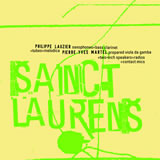
    Der Saxophonist & Bassklarinettist Philippe Lauzier, bereits bekannt mit Ensemble en pièces, dem Spin Ensemble, Quartetski does Prokofiev etc., tat sich für Sainct Laurens (&06) zusammen mit seinem Quartetski-Partner Pierre-Yves Martel, der für dieses Projekt die Finger vom Kontrabass lässt und statt dessen einer präparierten und kontaktmikrophonierten Viola da Gamba Klänge entlockt. Ich würde ja einmal mehr über Plinkplonking spotten, würden die beiden die Schraube nicht noch ein Stück weiter drehen zu einer Musique concrète instrumentale, bei der die Gambe öfters mal wie die Cartridge Music von Cage klingt, wie ein knarrendes Möbelstück oder ein Daxophon am Spieß. Lauzier bietet entsprechende extented techniques an der Kippe zum You Don’t Have to Call It Music. Dazwischen plonkt Martel aber die Saiten auch so, dass sie wie ein Kontrabass schnurren, den er gleichzeitig mit dem Bogen bezirpt. Und Lauzier rundet dünn geschabte Blastöne zu vollmundig sonoren, die er in die Luft entlässt mit der Sorgsamkeit eines Glasbläsers. Vero und Volta sägen aber derart mit stumpfen Klingen an den Nerven, dass das Zahnfleisch blutet. Danach kann ich zum gepresst dröhnenden Alz nur noch ‘Blecheimer’ stammeln. Was, verdammt nochmal, soll ich hier am anderen Ende der Zuckerbrotskala erfahren? Dass man sich fürs Himmelreich auch schon mal auf kleiner Flamme rösten lassen muss?

    La notte fa dans Bad Alchemy

    «Kritik», Rigobert Dittmann, Bad Alchemy, no 65, 1 février 2010
    lundi 1 février 2010 Presse

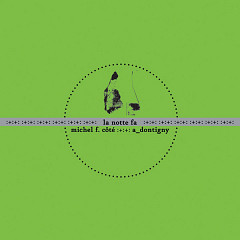
    Max & Moritz enden erst zum Schluss in der Schrotmühle und im Gänsemagen, a_dontigny & Michel F Côté stürzen sich gleich mit den ersten Klängen von La notte fa (&05) selbst in einen Häcksler aus Tapes, Electronics, digitalem Signalprozessing, vor allem aber a_dontignys Cut-ups. Die spucken nicht nur Côtés Drumming und die von a_dontigny eingesetzten Drum-Machine-Beats verhackstückt wieder aus, sie spucken auch mit — unkenntlichen — Fetzen und Brocken von Don Cherry, dem Mahavishnu Orchestra, Ol’ Dirty Bastard, Maurice Ravel, Les Poules oder dem Soundtrack von Cronenbergs Videodrome um sich. In unterschiedlichen Kreisbahnen und Tempi wirbeln Klangfetzen als ein Mahlstrom, der einen selbst wie Treibgut zu erfassen droht, weil einem zunehmend schwindlig wird und man von giftigen, spitzen Rotationen gepiesackt das Gleichgewicht verliert. Die Welt ist ein hektischer, lärmiger Schlund, in dem rhythmische Kleinstteile umeinander loopen, ein gurgelnder, zwitschernder Abfluss, der alles in Reichweite schluckt. Frickeliger Drum’n’Bass ist im Vergleich dazu gemütlich ambient. Hier geht es noisiger zu, molekularer, mulmiger. Côtés Trio Klaxon Gueule geht schon in diese technoide, posthumane Stilrichtung, die Ego und Handschrift verwischt wie ein Gesicht im Sand. Identität bekommt etwas Geisterhaftes und Nostalgisches, wie Cherrys Trompete bei visiones nocturnae. Was da wie eine Parade von Nähmaschinen im Regen klingt, verbindet nichts mehr, nicht einmal surreale Zufallsbekanntschaften. Es wirkt wie pure Aktivität wild gewordener Automaten. Mehrfach besetzt Côté mit furiosem oder sturem Drumming das Zentrum, aber ohne Bindekraft, eher scheint er so die Fliehkräfte noch zu steigern. Ich sage das nicht kritisch. Das ist realistische und zeitgemäße Musik mit zeitgemäßen Titeln wie The Book Burner. Nur ich, ich war noch nie Realist, und zeitgemäß will auch ich immer weniger sein.

    Interview dans Sequenza 21

    «Review», Jay Batzner, Sequenza 21, 29 janvier 2010
    vendredi 29 janvier 2010 Presse

    This is not your typical solo trumpet disc. Some folks might dismiss a CD made up almost entirely of solo trumpet music, but when the most straightforward thing on a disc was written by Scelsi, I get kind of excited. Amy Horvey tackles exciting and provocative repertoire on this offering and nails all of it.

    The Quattro pezzi by Scelsi kick off the disc and highlight Ms Horvey’s chops and musicality. Her tone is dark and somber, her ability to connect the lengthy lyrical lines in each piece is uncanny, and the only thing that would make the performance better would be hearing her live. These are demanding pieces and she squeezes every nuance of music from them.

    Cecilia Arditto’s Música Invisible is in three movements (Sfumato, Chiaroscuro, and Anamorphosis) and uses both flugelhorn and trumpet. Each work involves the use of extended techniques such as singing while playing, extreme pedal tone melodies, and putting the bell of the trumpet into a bowl of water. Regardless of the techniques, which are intrinsic to the sound worlds of the pieces and not mere gimmicks, the music is haunting and meaningful. Each gesture is given time and space to develop and mature and, at about 12 minutes, I could stand to listen to a whole lot more.

    The next two works both feature spoken passages as well as played passages. Anna Höstman’s Interview relates to a larger work about trumpet soloist Edna White called “Queen of the Music Boxes.” The fragments of text coax listeners into an emotional world with very little said. The music that follows is sometimes playful, sometimes sorrowful, and Ms Horvey communicates the text well without being too hammy or too stoic in affect. In contrast to the fragmentary Interview, Apparatus Inconcinnus by Ryan Purchase contains more of a linear narrative about remembering how to count by Russian author Daniil Charms. This humorous anecdote takes some serious musical terms and would be, of course, most effective in a live performance. The story holds the music together very well. My only quibble of this disc, if I have to have one, is that these two very similar works were programmed back to back.

    The final work, Overture to “The Queen of the Music Boxes”, includes the electro-acoustic / circuit-bending / composer Jeff Morton working with prepared music boxes, toy instruments, and electronics. The composition is largely about Morton’s sound world of dreamy, lo-fi mechanical music making than it is Amy Horvey’s trumpet playing. When the trumpet melody does emerge, the dreaminess of Morton’s contraptions becomes more accompaniment than ambient. The whole piece projects an introspective mood and is the perfect sound world to close off the CD.

    Amy Horvey tackles exciting and provocative repertoire on this offering and nails all of it.

    Sainct Laurens dans Monsieur Délire

    «Journal d’écoute», François Couture, Monsieur Délire, 29 janvier 2010
    vendredi 29 janvier 2010 Presse

    Philippe Lauzier (saxo) et Pierre-Yves Martel (viole de gambe) comptent parmi les plus actives recrues de la décennie 2000 chez Ambiances Magnétiques. Ce premier disque en duo (chez &records, l’étiquette de Michel F. Côté) est tout bonnement sublime. Une série de pièces circonspectes, où chaque son est étudié mais coule de source. Un voyage à l’intérieur des instruments impliqués (ceux ci-haut, plus clarinette basse, tubes, mélodica, petits haut-parleurs, radios, micros contacts), mais surtout à l’intérieur d’une relation musicale profonde entre les deux protagonistes. On sent clairement que ces deux-là ont fait et continuent de faire des découvertes ensemble. Une écoute exigeante mais un très beau disque.

    Ce premier disque en duo est tout bonnement sublime.
  • 44
  • 45
  • 46
  • 47
  • 48
  • 49
  • 50
  • 51
  • 52