Sauter au contenu principal
actuellecd
  • This website is also available in English.

Blogue

442 résultats
  • 43
  • 44
  • 45
  • 46
  • 47
  • 48
  • 49
  • 50
  • 51
  • Nouvelles de MaryClare Brzytwa

    jeudi 8 mai 2008 Général

    MaryClare Brzytwa vient de s’installer en Suisse pour agir à titre de commissaire pour une radio-web d’art sonore expérimental, «village nomade radio». Elle est également impliquée comme interprète dans le théâtre musical écrit par Kevin Blechdom, Recantata, qui traduit l’obsession répandue dans les petites villes des États-Unis, dans les années 80, des croyances occultes, voire sataniques.

    9 – 10 mai 2008: Malasartes: lancement d’une 8e parution avec Nisenson Trio +3

    mercredi 7 mai 2008 En concert

    Le lancement du tout récent disque En concert de Damián Nisenson Trio aura lieu le vendredi 9 mai et le samedi 10 mai 2008 au Dièse onze, à Montréal. Ce disque, vraie décharge énergétique qui vous remplira l’âme, est la 8e parution de l’étiquette indépendante Malasartes musique. Au lancement, retouvez: Damian Nisenson, saxophones, composition; Jean Félix Mailloux, contrebasse; Pierre Tanguay, batterie; Ziya Tabassian, percussions; Luzio Altobelli, accordéon; Denis Plante, bandonéon.

    Scat dans The Squid’s Ear

    «Review», Paul Serralheiro, The Squid’s Ear, 7 mai 2008
    mercredi 7 mai 2008 Presse

    Teaming up with an Australian new-music ensemble, Montréal electric guitarist-composer Tim Brady lays out some tightly written, impressively played music that is superbly rendered by the unusual quintet that is Topology (bass, violin, viola, piano and piano/sampler) with the addition, in one piece (Dark Matter), of percussion, clarinet and bassoon.

    In 7 pieces written over the last 10 years that range from controlled, driving, rhythmic lines to airy atmospheric pieces, listeners are treated to shades of Terry Riley, as in the 3rd section of the tri-partite title composition, Scat, and in the opening keening violin, cascading piano arpeggios and double bass bottom that sustains the developing melody of (Dark Matter (Primal Pulse)). But Brady takes the music his own way, varying rhythmic cells and letting the melodies flower as they will rather than restricting them to a minimalist pinwheel development.

    The atypical instrumentation makes for a kind of hybrid sound that is hard to categorize. It could be musique actuelle, could be jazz, could be contemporary classical. But is categorization really necessary when one gets caught up in such swirling pieces like the piano, samplers, violin, viola, double bass and soprano sax chiaroscuro impressionism of Lightning Field — Darkness / Illumination? In Dark Matter the composer has weighed his sounds carefully and the piece is a study in nuance and contrasting textures and tempi, like a chamber ensemble reduction of a Bruckner symphony. The language, although eclectic, echoes western art music, especially post-romantic and serialist styles in melodic contours and instrumental colors, as the clarinet and bassoon are added to the mix. Another stylist reference point that comes to mind is the crisply-articulated rhythms of Astor Piazzola.

    In contrast to the chamber-music for the 21st century feel of most of the disc, we get, in the final cut, the more high-voltage abstract expressionism of a viola and tape piece titled (Struck Twice by Lightening, in which violist Bernard Hoey plays a possessed Paganini to Brady’s Star-trekking guitar-sampler track, an apt way to wind up this appealingly quirky set of music.

    We get, in the final cut, the more high-voltage abstract expressionism of a viola and tape piece.

    To Continue dans The Squid’s Ear

    «Heard In», Paul Serralheiro, The Squid’s Ear, 7 mai 2008
    mercredi 7 mai 2008 Presse

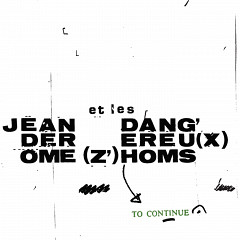
    Ironic attitude with an approach to melody that is best described as angular and cubistic, but softened by a lilt of French impressionism, is what we get from the 5 improvising men that are DeromeTom Walsh on trombone, Guillaume Dostaler on piano, Pierre Cartier on electric bass, Pierre Tanguay on drums and all five on vocals in the title cut. (Cartier also does the singing in the fable La Grenouille et le Bœuf).

    In rendering the six Derome compositions on this disc, the quintet of Montréal voices delivers a distinct group sound. Derome, known to many in the improvised music and musique actuelle scene (he is also one of its production motors), possesses a recognizable alto saxophone voice, with its driven sense of direction and acrobatic ingenuity that is the aural equivalent of a refined circus act. He’s accompanied by equally distinct voices, starting with his usual partner in musical adventure, Pierre Tanguay, a drummer who plays from simple, centered ideas that mutate into sophisticated variations. Walsh’s trombone voice is rich in overtones and humor, while Cartier’s electric bass stitches the tunes together with a firm sense of purpose. Pianist Dostaler leaves lots of space, which he incorporates into his conceptions, even in his featured solo spots, not unlike Monk.

    There are many interesting musical moments both quirky and serene throughout the disc, including the English word-based title cut and the setting of the La Fontaine fable La Grenouille et le Bœuf (“The Frog and the Ox”) that Cartier intones in fine-form expressionistic contortions. The best, however, is the longest: Prières (“Prayers”), a 25 minute piece that is a lesson in textures and the blending of voices and interweaving of the composed and the improvised. It features a piano solo accompanied by very spare band responses, then builds into a slow whirling of lines and textures that gives way to a trombone solo where Walsh gets the chance to “testify”, then on to a drum solo and more building, with, from time to time, solo statements taking the upper hand. Then a return to piano solos and more development of motives wrought into the earlier exposition. A study in form, contrasts, colors, voices, lines, and harmonies at the center of which is Derome’s saxophone soaring in fearless inventiveness.

    A study in form, contrasts, colors, voices, lines, and harmonies at the center of which is Jean Derome’s saxophone soaring in fearless inventiveness.
  • 43
  • 44
  • 45
  • 46
  • 47
  • 48
  • 49
  • 50
  • 51