Sauter au contenu principal
actuellecd

Blogue

255 résultats
  • 35
  • 36
  • 37
  • 38
  • 39
  • 40
  • 41
  • 42
  • 43
  • 24 avril 2002: Michel F Côté, deux concerts à la Casa del Popolo

    dimanche 3 février 2002 En concert

    Deux concerts à la Casa del Popolo (Montréal) où le percussionniste Michel F Côté et le guitariste Bernard Falaise mettront leur talent au service de petits ensembles, en compagnie des contrabassistes Nicolas Caloia et Éloi Deit. Le premier, 24 avril 2002, Lori & the Blue Mangos mettant en vedette Lori Freedman à la clarinette basse. Le second, vendredi 26 avril 2002, Frank Martel & L’Ouest céleste avec Frank Martel à la voix et guitare.

    Parasites en spectacle avec la musicienne japonaise Haco

    dimanche 3 février 2002 Nouveautés

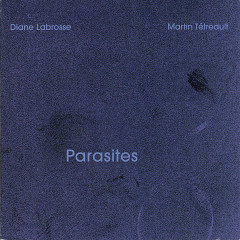
    Martin Tétreault (tourne-disques) et Diane Labrosse (échantillonneur), dont les plus récentes compositions sont disponibles sur le disque Parasites, recoivent la japonaise Haco (voix, mandoline électrique) à la Casa del Popolo (Montréal) le 25 avril 2002. Figure marquante de la scène alternative japonaise depuis les années 80, Haco est l’une des fondatrices du groupe Hoahio et a joué, entre autres, avec Otomo Yoshihide, Sachiko M et la harpiste Zeena Parkins.

    Le magasin de tissu dans KindaMuzik

    «Review», Bas Ickenroth, KindaMuzik, 2 février 2002
    samedi 2 février 2002 Presse

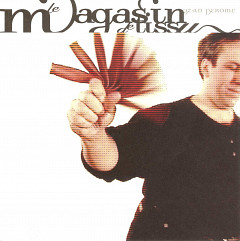
    Jean Derome is one of the co-founders of the Ambiances Magnétiques label, a Montréal-based label specialising in avant-garde, new music, improv, and contemporary creations. He plays all sorts of instruments, but especially flute and saxophone. He studied jazz, improv, contemporary, twelve-tone, atonal, folk and even pop. All this comes forward in his presentation of 23 short pieces of pure improvisation. He compiled this record at random, by playing three discs of each 23 different pieces in a shuffle mode, letting chance be the sole reign in compiling this album. While at first the music doesn’t seem to capture you in any way but annoyance, after a while, when you get used to the abstract tones and the free form improvisations which are seemingly without any structure, the album grows slowly but steadily. A big plus is that Derome never takes himself and his music too seriously. The overall tone is light and almost playful, and the fun which he had while making it shows very obviously. The music meanders between harsh atonal noise and soft spoken words, and everything in-between. This all is made by several different (mostly acoustic) instruments, most of them unrecognisably altered. There is a whole, underlying theme explaining why Derome made this recording in this particular way — it has something to do with dictionaries, fashion and catalogues, believe it or not — but it would take too much time and effort to present it all here.

    Le magasin de tissu is a nice album if you’re into pure, abstract improv music, and if you are, you surely will be able to enjoy Jean Derome’s music. However, it doesn’t reach new levels in the Ambiances Magnétiques catalogue. Therefore, this album will only be really interesting if you’re a complete fanatic or if this is your first encounter with music from this label.

    Parasites dans KindaMuzik

    «Review», Bas Ickenroth, KindaMuzik, 2 février 2002
    samedi 2 février 2002 Presse

    Turntablism that has absolutely nothing to do with hiphop. These soundconstructions come from the comunity around the Ambiances Magnétiques label, and that information ought to be enough to start some serious drooling on the avant-garde fanatics, such as myself. Diane Labrosse and Martin Tétrault are the soundsculptors on the Parasites album, and their tool, among modern electronic equipment and other toys, is the turntable. Not that it can be identified as such. But there are more unidentifiable aspects: where is the melody? Where is the songstructure? Where ends one track and begins another? The answer to all three: unknown. This completely improvised electronic soundscape varies in atmosphere and texture and does this without adding any kind of melody or structure. And why they bothered to cut things up into 15 tracks and name each track in both English and French as well, we’ll probably never know. I could mention that Bad Amoeba sounds like this and Stop Interfering! like that, but why? The sonic exploration goes by continuesly, without pauses. This adds to the hypnotic effect the music surprisingly has. When at first the soundscape tends to float by leaving anything lasting, at a certain moment you’re just getting into it, and you’ll slowly be sucked in the electronic swamp. And although there is a complete absence of melody or even a steady and comfortable drone, that swamp is far from unpleasant.

    When at first the soundscape tends to float by leaving anything lasting, at a certain moment you’re just getting into it, and you’ll slowly be sucked in the electronic swamp.

    La spirale de l’escargot dans Sonomu

    «Review», Stephen Fruitman, Sonomu, 1 février 2002
    vendredi 1 février 2002 Presse

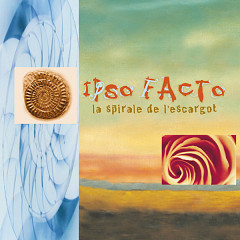
    A mitzvah, this album, I’m telling you! Without a cover to tell you otherwise, you would swear this was the latest offering from one of downtown NYC’s plethora of latin/klezmer/Balkan/jazz juggernauts on John Zorn’s Tzadik label. Instead, Ipso Facto turn out to be Montréalers, featuring David Buissieres on guitars, Chantal Bergeron on violin, Simon Dolan on standing bass and Francis Roberge on percussion.

    The quartet plays with verve, restrained passion, and a healthy dollop of humour. Though lovingly and seriously executed, most every track betrays a little glint in the corner of the eye, a little “Yiddish Meshuggas” (as the second cut is entitled). Ipso Facto effortlessly slide between rhythms and styles, with the hearty acoustic voice of Bergeron’s violin usually taking the lead. Time changes between and even within the cuts make the twelve-track CD appear to contain even more tracks. A lively latin dance tune will suddenly slow down to catch its breath and continue as a reggae stroll; a cowboy hoedown will take sharp, jazzy turns during the refrain.

    All the tunes have been penned by Buissieres (save one on which he shares a writing credit with Bergeron), and thus La spirale de l’escargot is also a compact showcase presenting the broad talent of a first-rate composer. And Buissieres leaves plenty of room for his compadres to follow their own muses in short bursts of inspired improvisation.

    Life-affirming chamber stylings, compellingly composed and impelling the listener up onto the dancefloor, imaginary or hardwood.

    Life-affirming chamber stylings, compellingly composed and impelling the listener up onto the dancefloor, imaginary or hardwood.
  • 35
  • 36
  • 37
  • 38
  • 39
  • 40
  • 41
  • 42
  • 43