Tête à queue in ImproJazz
Voulez-vous enfin découvrir la vraie genèse du flamenco

Voulez-vous enfin découvrir la vraie genèse du flamenco
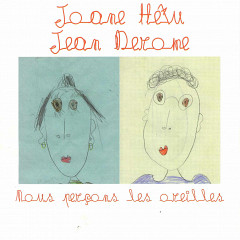
Two saxophones shriek and two voices, haunting sirens, screech on this duet of dissonance pairing of pandemonium. Jean Derome and Joane Hétu are obviously improvising here in a tradition employed by Eugene Chadbourne, Derek Bailey, etc. Abrasive and subversive, these wicked wizards of wail put first a gateway, the lead two songs Nous perçons and Le poinçon. At this entrance they stand, a two-headed Cerebus barking fear into the fainthearted. Inside a rugged landscape of occasional firm footing gibes unexpectedly way to brass-barbed, jagged promontories. Instead of liner notes, the disc is decorated with telling child drawings of dynamic and jarring contrast. Simultaneously, Ambiances Magnétiques has released solo discs (of equal challenge) on each bizarre musician. 3/5
Despite the soft-rock-style cover shot of Lori gazing sheepishly downwards, and the handwritten (on fluo yellow
L’improvisateur se doit de se le demander
Un duo contrebasse-batterie qui s’offre comme une rencontre que l’on imagine volontiers explosive. L’explosion résulte pourtant moins de la confrontation de ces deux instruments aux sonorités profondes que de l’intensité qui se noue peu à peu, au fil des improvisations entre les deux musiciennes.
Everybody remembers some of these popular sayings found in the dictionary, short sentences presumably holding a piece of Truth. Does wisdom consist of knowing (and understanding) these sayings, or wouldn’t it be, like
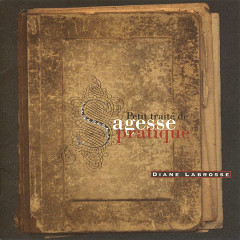
Petit Traité de Sagesse Pratique takes the shape of a “book” grouping the 37 modernized sayings into five chapters of about ten minutes each. The sayings (in French) are all diverted from their original meaning through play of words, and would not make any sense if translated in english. If you don’t understand french, you will definitely lose a dimension of this album. But the revamped sayings are paired with musical snapshots meant to relate to determined styles (from gavotte to free jazz, symphony to medieval). These styles should be understood as inspirational sources rather than a program in themselves. The cohesion of this record is surprising