actuellecd

Blog

116 results
  • 1
  • 2
  • 3
  • 4
  • 5
  • 6
  • 7
  • 8
  • 9
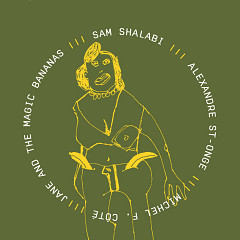
  • Jane and The Magic Bananas in Le son du grisli

    “Improvisations expéditives”, Luc Bouquet, Le son du grisli, November 1, 2012
    Thursday, November 1, 2012 Press

    Précepte cher à Glenn Branca, le petit jeu consistant à passer d’un apparent chaos à une transe évolutive, se retrouve plusieurs fois appliqué ici. Nous dirons donc que la guitare électrique de Sam Shalabi, la guitare basse d’Alexandre St-Onge et la batterie amplifiée de Michel F Côté œuvrent dans l’hypnotique et le dérèglement. Sachant s’échapper de la masse pour mieux faire bloc, nos trois sidérurgistes donnent aux sévices soniques quelques vives médailles: pièces courtes et déplumées, travaillant sur les micro-intervalles, souvent déphasées et grouillantes, elles prennent source dans la dissonance même. En ce sens, habitant un profond aven, impriment la douleur dans la chair d’une musique sauvage à souhait.

    Sachant s’échapper de la masse pour mieux faire bloc, nos trois sidérurgistes donnent aux sévices soniques quelques vives médailles…

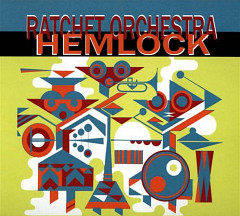
    Hemlock in Cult#Mtl

    “Today’s Sounds”, Lawrence Joseph, Cult#Mtl, October 30, 2012
    Tuesday, October 30, 2012 Press

    After 18 years of existence, bassist and composer Nicolas Caloia’s Ratchet Orchestra qualifies as a Montréal free jazz institution, despite sparse recordings and performances. The unit has grown exponentially over the years, from humble quartet beginnings to the current 31 member outfit. Musique actuelle stalwarts like flutist Jean Derome, clarinetist Lori Freedman and drummer John Heward all contribute here, and just about every other member also leads important ensembles in their own right.

    The Ratchet’s first quartet CD from 1994 covered Christian Wolff’s Burdocks, providing some early clues into Ratchet philosophy. Burdocks is a non-hierarchical piece of distinct components using only minimal music notation, from which a collective work can be assembled. Which more or less describes the nine cuts here, cleverly constructed with composed parts lying alongside improvised lines, so that strong readers seamlessly mesh with the less formally schooled.

    While there is much freedom, it never descends into chaos. There is a strong sense of composition and structure throughout, although more Sun Ra than Count Basie. Each song is built around a memorable theme, and care is taken in orchestration, not just during the ensemble parts, but also backing each solo. Like Ra, the stylistic range spans big band history from ’40s swing to avant swarm.

    Winnow starts things off with a mysterious but sweet series of chords, followed by melancholic winding sax and growling trumpet solos which lead back to the theme. Dusty begins with a clocklike rhythm, but soon gives way to a distorted bent note guitar solo that kicks the band into swirling overdrive around a demented clarinet solo. This exemplifies the variety not just between, but also within, each song.

    The 24 possible permutations of the words in the phrase “kick that habit man,” (“kick that man habit,” “habit that kick man,” etc.) are each stated exactly once within Kick. That track provides some comic relief and is the only track with vocals, but the Ratchet keep things moving throughout. Classical lushness and avant garde edginess coalesce into a sharp-witted yet delicate set, one of the year’s best releases.

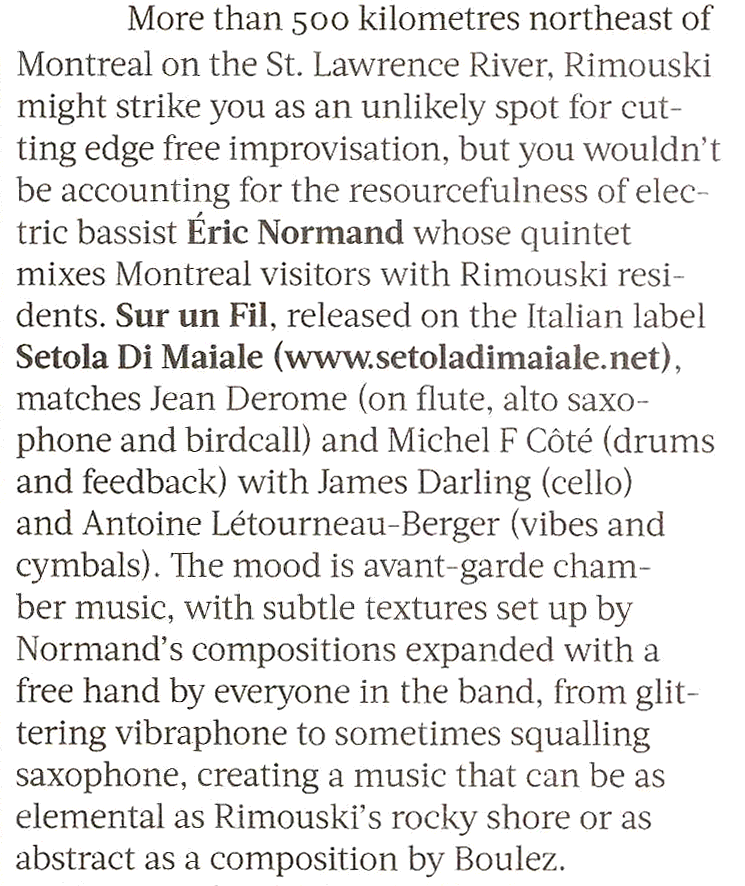
    Classical lushness and avant garde edginess coalesce into a sharp-witted yet delicate set, one of the year’s best releases.
    Vivaces in The Squid’s Ear

    “Heard In”, Massimo Ricci, The Squid’s Ear, October 24, 2012
    Wednesday, October 24, 2012 Press

    Those who get thrilled in recalling orchestral masterpieces such as Strings With Evan Parker (Emanem) will find something quite flavorsome to chew here, though not on an identical level of artistic strength. GGRIL is a collective from Rimouski, Québec, described as the “home big band” of the Tour de Bras label. Exclusively composed of musicians of different ages and experience based in the Lower St. Lawrence region, over the years the ensemble has played with several leading lights of the improv landscape. This particular set was taped in April 2011 after a brief clinic led by the English master of swirling reeds.

    Whereas the concert starts with a completely free piece — Semis — in which the players waste no time in finding contrapuntal stratagems by reducing the toe-dipping procedures to the required minimum, the subsequent tracks Bouturage and Marcottage are directed, respectively, by Parker and violinist Raphaël Arsenault. Still, the music remains entirely conceived on the spot, showing a wealth of veins and colors and an idiosyncratic sense of humor (a gorgeously wacky tuba solo — courtesy of Gabriel Rivest — at the beginning of Bouturage is my overall favorite snippet of the entire disc). Electric guitars and bass furnish the action with the right quantities of charged rush when needed; a couple of accordions warrant substrata of folk echoes that sound preposterous and suggestive at once.

    The attendance of guest trombonist Scott Thomson adds fuel to the fire in the “melodically bizarre” department, thus balancing the more overt tendency to seriousness dictated by two violins, a clarinet and an acoustic bass. A propulsive consistency is not missing, and — judging by the bursts of audience laughs sporadically heard — a theatrical component must have been applied during the exhibition. Parker’s soprano and tenor work just fine without exceeding any limit as he immerses himself in the improvisational ebb and flow with flexible modesty. A few attentive spins and you’ll see that there are some values to remember in this totally respectable release.

    A few attentive spins and you’ll see that there are some values to remember in this totally respectable release.

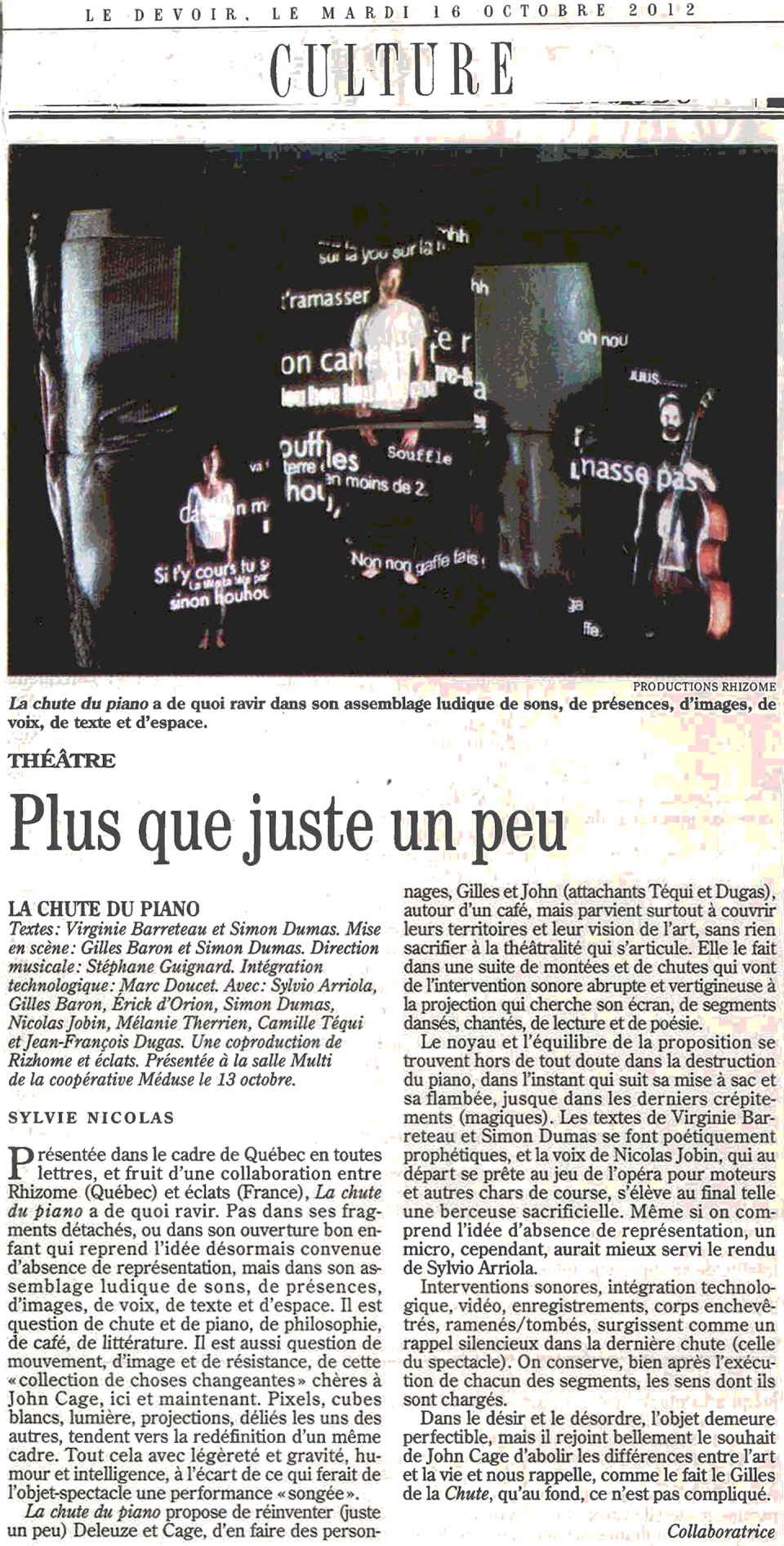
    Érick d’Orion in Le Devoir

    “Plus que juste un peu”, Sylvie Nicolas, Le Devoir, October 16, 2012
    Tuesday, October 16, 2012 Press
    La chute du piano a de quoi ravir dans son assemblage ludique de sons, de présences, d’images, de voix, de texte et d’espace.
  • 1
  • 2
  • 3
  • 4
  • 5
  • 6
  • 7
  • 8
  • 9