actuellecd

Blog

429 results
  • 40
  • 41
  • 42
  • 43
  • 44
  • 45
  • 46
  • 47
  • 48
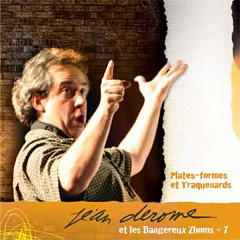
  • Plates-formes et Traquenards in Downtown Music Gallery

    “Review”, Bruce Lee Gallanter, Downtown Music Gallery, May 1, 2009
    Friday, May 1, 2009 Press

    The Victo Festival & the Ambiances Magnétiques label both celebrated their anniversary in 2008, the year this concert took place. The Ambiances Magnétiques label, which has about 150 releases and the Victo label which this disc is number 114, are both from Québec and have nurtured & supported each other since the label and festival began. Hence, the 2008 Victoriaville New Music Festival began with this extraordinary performance.

    For long time fans of Jean Derome and his partner Joane Hétu (who runs the AM label), we notice how their pieces become involved, focused and successful, whenever we get a chance to experience their works. Mr. DeromeLes Dangereux Zhoms has been around since 1992, with four fine disc on AM. For Victo 2008, DeromePlates-Formes refers to the shifting on continents or structures. After so many years, Jean has gathered an incredible cast of seasoned musicians who can capture his sound/vision perfectly. Commencing with stark and suspense-filled sounds, the sublime, melodic written material soon emerges and with superb, warm and flowing harmonies for all. DeromeJohn Zorn’s game pieces when he conducts and pulls surprising sounds and combinations of players into fascinating areas. Other sections of this work remind me of the playful and complex structures that ZappaTraquenards which means “ambush” and again the shifting sounds are consistently engaging. What makes this music special is the seamless balance between the written and improvised sections. The ensemble is in fine form here, the music is progressive in its own way with some nutty voices used as occasional seasoning. Traquenards has a more cinematic sound, moving between the tranquil countryside near Victoriavile and hustle & bustle of Montréal. And of course like all discs on the Victo label, the sound is perfect, capturing the performance in all of its glory. Another gem from Jean Derome and his wonderful ensemble and another winner from our good friends up north at Victo.

    Another gem from Jean Derome and his wonderful ensemble…

    Victoriaville matière sonore, Vente de bagages in The WholeNote

    “Sampling Soundscapes”, Ken Waxman, The WholeNote, no. 14:8, May 1, 2009
    Friday, May 1, 2009 Press

    Creating musical sounds without instruments has become widespread ever since the availability of first the portable tape recorder and then the lap top computer. Melding oscillations created with software plus amplifications of so-called found sounds, often re-mixed, these soundscapes are notable for their subtle mixture of foreground and background.

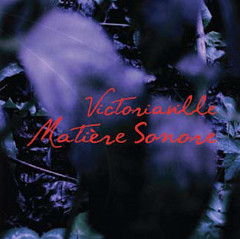
    Canadians — especially Québécois — have been particularly proficient in this sort of composing, as these CDs demonstrate. So have Europeans, which is why Habitat (Creative Sources CS 105 CD), by the German dis.playce duo provides an interesting contrast to the Canadians’ work. For comparison, both that CD and Victoriaville matière sonore (Victo cd 0113) created by eight sound designers — Francisco López, Louis Dufort, Chantal Dumas, A_Dontigny, Steve Heimbecker, Mathieu Lévesque, Hélène Prévost and Tomas Phillips — are audio portraits of specific places.

    Geographical reflection is also involved in Bill Gilonis’ and Chantale Laplante’s Zürich-Bamberg (AD HOC 22) and Éric Normand’s Vente de bagages — Volume un (Tour de Bras TDB 3001), but these collaborations expose another electronic music variant. Montréaler Laplante and Londoner Gilonis, then living in cities which give the disc its title, collaborate on sound collages by tweaking individual audio files sent to one another. Rimouski-based Normand follows the collaborative pattern, although the found sounds he alters originated in different European cities and in Montréal.

    Hélène Prévost, one of Normand’s audio pen-pals, is the only person represented on two CDs; and that’s appropriate. One of the doyennes of auditory creation, her contributions fit individual situations in which they are placed. Matière sonore’s VSM for instance, suggest a story line with muffled male and female voices, a ticking clock and sirens intermingling with rumbling hisses, blurry rustles and reverberated intonation traceable back to computer programming.

    On Vente de bagages however (www.tourdebras.com), the bed track of static intonation and hiss from her side is reconfigured with audio effects and stutters created and equalized by the noises produced with a microphone held in Normand’s mouth. This overt physicality and evident sonic building blocks is what distinguishes Normand’s sound postcards from the other discs. On another track, his circular cackles, cries and cock-a-doodle-doos expand the quicksilver squeaks and tremolo flutters produced by the brass mouthpiece and valves manipulation of Toulouse-resident Sébastien Cirotteau.

    Organized by Spanish sound artist Francisco López to create an audio portrait of Victoriaville, Quebec, Matière sonore’s soundscape is more anonymous and selfless (www.victo.qc.ca). Sequentially panning across the aural landscape of the city which hosts an annual experimental music festival, private and public spaces are exposed and transformed. Particular starting points are mixed electronically and are simultaneously linked and divorced from sources. Louis Dufort’s Matério_***, for example, features snatches of gull caws and dog yelps, followed by slithery organ-like riffs and otherworldly shrills, and preceded by ring modulator echoes, plus swelling blurry thumps. Meanwhile Chantal Dumas tells her story on s/t w/t 2 with intonation from spectral railway-crossing peals, thunder claps and people shouting, plus radio dial twisting that locates and loses snatches of recorded music. She ends with door slamming sounds.

    Coincidentally Zürich-Bamberg (www.chantalelaplante.com) begins with the sounds of a door opening, follow by quivering piano strings. Completed by a couple of tracks of solo Laplante that alternate prolonged silences with fortissimo, stop-time abrasions and echoes, the CD’s key manipulated collages are These 12 Minutes and the title track. Undulating, intermittent oral gasps top an undercurrent of foot steps on the former. Eventually the textures are redirected together as backwards-running beats. Slivers of English, French and German phrases stud the title track as these disembodied voices philosophize, hector and promote. Also audible are intercut disconnected waves of melodic, hard-rock and Arab music that occasionally reveal simple guitar licks or drum patterns. Surmounting this are further processed sounds which originate in falling rain, whistling birds, draining sinks and idling engines. The result is both descriptive and disconcerting.

    … these soundscapes are notable for their subtle mixture of foreground and background.

    BASE, Arbor Vitæ, Vulgarités, Face à la dérive, Y’a du bruit dans ma cabane, Geggie Project, Disparition de l’usine éphémère, Out of Nowhere, Phénix, 10 Taxonomical Movements in Wonderous Stories

    “Piogge magnetiche. Dieci nuove dal Québec.”, Vincenzo Giorgio, Wonderous Stories, no. 15:38, May 1, 2009
    Friday, May 1, 2009 Press

    La prestigiosa Ambiances Magnétiques continua, imperterrita, ad illuminare i cieli musicali contemporanei con quel suo catalogo che mischia, visionariamente, musica contemporanea, elettronica, jazz e, persino brandelli del più fosco rock illuminato. Come? Dieci nuovi esempi per capire…

    Arbor Vitæ (Quatuor Bozzini) è un doppio, incredibile cd attraverso il quale il già noto ensemble canadese esegue otto composizioni che James Tenney — musicista originario del New Mexico — ha scritto tra il 1963 e il 2006. Il risultato è di abbacinante bellezza: oltre due ore di musica che, partendo dall’ambient disturbato dall’omonina Arbor Vitae cresce lentamente ed inesorabilmente fino a toccare (solo per fare due esempi) le dissonanze post-novecentesche di Saxony e il dolente solipsismo melodico del Stochastic String Quartet. Senza dubbio la perla delle nuove uscite AM.

    Molto interessante anche il lavoro dei nostri Taxonomy che con 10 Taxonomical Movements toccano momenti di rara intensità. Elio Martusciello, Graziano Lella e Roberto Fega conducono l’ascoltatore attraverso un suggestivo viaggio contrassegnato da (appunto) dieci movimenti che, a differenza della loro denominazione classica (andante, adagio…) si muovono in territori post-elettronici. Mi piace segnalare l’intenso ligietismo dell’Ouverture ma anche la patafisica del Larghetto-appassionato che, grazie anche alla melodica stralunata di Fega, trovo assai contigua al miglior Pierre Bastien.

    Con Y’a du bruit dans ma cabane dell’Ensemble SuperMusique (in cui spiccano i nomi di Jean Derome, Joane Hétu, Diane Labrosse e Pierre Tanguay) approdiamo in quella rarefatta terra dove la radicalità creativa assurge a vero e proprio totem. Da qui sei tracce che partono da atmosfere inquiete (8 moments brefs) toccando le terre informi della manipolazione (Positions d’amour) fino a sublimarsi nella destrutturazione vocale (Discussion au living room).

    Le già citate Hétu (sax e voce) e Labrosse (elettronica) le troviamo coinvolte in un altro progetto piuttosto contiguo e, con l’aggiunta di Danielle Palardy Roger (percussioni), tutto al femminile: Les Poules. Phénix è altra opera pervasa da un forte radicalismo improvvisativo anche se, rispetto alla precedente, sa maggiormente curare la dinamica del suono (Grandeur Royale) lavorando su spazi più aperti (La porte immense) senza però disdegnare l’elemento più spiccantamente vocal-rumoristico (Rapaces).

    Volendo stare ancora negli anfratti del radicalismo sonoro come non parlare delle Vulgarités di Michel F Côté e Isaiah Ceccarelli? Tredici storie fatte di fraseggi disconnessi (Surmenage brun), pertugi appena abbozzati (la struggente Surmenage caca d’oie), violente zaffate elettronico-percussive (Grace maussade, Apothéose du vague…) pseudo ritmi rock sbrindellati (Somme de nos échecs). Insomma un lavoro che sa guardare molto avanti e con molto coraggio.

    Anche a Sébastien Cirotteau, Brigitte Lacasse, Catherine S Massicotte e Éric Normand il coraggio non manca. Infatti con la loro Face à la dérive disegnano quello che potremmo definire un “affresco ambientale” dove la loro strumentazione acustica (piano, fisarmonica, violino, basso, percussioni) si fonde con le voci di un viaggio attraverso il paesaggio sonoro del fiume Saint-Laurent. Due grandi suite (Partie Un e Partie Deux) che, pur nell’indubbia originalità del progetto e dei molti interventi strumentali di grande pregio, non riesce ad affrancarsi da una eccessiva ripetitività.

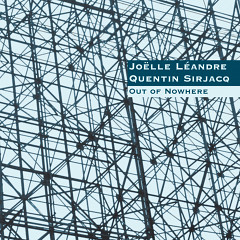
    Di grande impatto emotivo è, invece, Out Of Nowhere, di Joëlle Léandre, et Quentin Sirjacq. Vivida perla chiaroscurale soprattutto per gli amanti delle efflorescenze cameristiche. Come non rimanere magicamente irretiti dalle malmostose trame di Opening dove il dialogo tra il contrabbasso della Léandre e il piano di Sirjacq si fa autenticamente inquietante? E lo stesso vale per il raffinato bisbiglio di Presence in costante bilico tra John Coltrane e Claude Debussy così come per quell’insistito giocare nel silenzio di Absence.

    Sulle stesse frequenze — anzi, con più accondiscendenza melodica giocata in un contesto decisamente jazz — va collocato il Geggie Project messo in scena da John Geggie (contrabbasso), Marilyn Crispell (piano) e Nick Fraser (batteria). Disco di rara intensità che potrebbe benissimo far parte della collezione ECM. L’esordio di Credo è di quelli che — nella sua scarna poesia — lascia il segno anche se la successiva ce and Meltwater mette in campo situazioni più irsute e puntillistiche. Molto bella (anche se non del tutto scevra da una certa retorica jazzy) Or Not così come la lirica Across the Sky.

    Con Disparition de l’usine éphémère di Philippe Lauzier, Pierre-Yves Martel, Kim Myhr e Martin Tétreault la faccenda riprende a complicarsi. Un’opera indubbiamente assai interessante che propone un linguaggio non immediatamente assimilabile dove l’usurato aggettivo “elettroacustico” può essere speso con una certa coerenza. Dieci composizioni che trasfigurano, manipolandoli elettronicamente, una manciata di strumenti acustici (sax alto, clarinetto basso, viola da gamba, chitarra…) ponendoli in dialogo con uno spiccato rumorismo impressionistico. Il risultato potrebbe pure ricordare certi lavori dei già citati Klaxon Gueule: Électro-polissage e Chantier naval mi sembrano i risultato più interessanti.

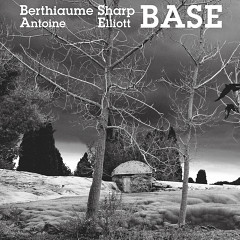
    Antoine Berthiaume e il grande Elliott Sharp, come noto, sono due chitarristi “border-line” che in Base si confrontano con sfacciata visceralità. Undici improvvisazioni che fluttuano, crudeli e suadenti, nell’elettronica post ambientale più bieca. Musica fatta di corpose pennellate materiche come ci si trovasse di fronte ad un quadro di Jackson Pollock: il lancinante lamento di Phase e il suo tormentato sciamare, così come il rock-blues slabbrato di Station sono solo tre esempi che fanno di questo lavoro un’uscita impedibile per chiunque voglia fiutare dove veramente tiri il vento del Nuovo. Vento che soffia da Ambienti Magnetici…

  • 40
  • 41
  • 42
  • 43
  • 44
  • 45
  • 46
  • 47
  • 48