actuellecd

Blog

276 results
  • 8
  • 9
  • 10
  • 11
  • 12
  • 13
  • 14
  • 15
  • 16
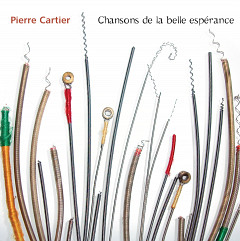
  • Chansons de la belle espérance in Blow Up

    “Recensione”, Dionisio Capuano, Blow Up, no. 101, October 1, 2006
    Sunday, October 1, 2006 Press

    Cartier canta l’amore, nelle sue ramificazioni incarnite. Tra gli autori: Apollinaire, Pierre Perrault, Gaston Miron. Si ispira agli standard del jazz, alle Broadway love songs, ad Autumn Leaves, ma soprattutto alla malincolia della canzone di Jacques Prévert, Les feuilles mortes. Sceglie autori e lingua francese; e chissà, sarà pure una scelta politica, un corollario emotivo a Le trésor de la langue. Il gruppo di musicisti che lo accompagna è straordinario: Jean Derome, Pierre Tanguay, Bernard Falaise, Jean René, Tom Walsh. Se Il nous aurait fallu, attraversata dallo struggente trombone di Walsh, ha l’appeal del classico “amore perduto” e s’appiccica addosso, ancor più sconvolgente è la capacità di Cartier di penetrare i testi con musica e voce, facendo germinare melodie che si diramano attraverso lo splendore esecutivo del quintetto (sic). Sia quando la metrica e la struttura sono propriamente jazz (Dédicace de la belle sspérance), sia quando fanno eco alla ballata arcaizzante, nelle cadenze della viola di René e del flauto di Derome (La chanson de Marie). Ampiezza di respiro e ricchezza interpretativa della musica, che non vedono soluzione di continuità tra il canto di Cartier e il solo di chitarra di Falaise (Portrait), tra l’impasto orchestrale e il passaggio solistico. È un dilagare sentimentale, come nei dodici minuti di Mirabeau: languoroso tema quasi intessuto di sublime saudade da inconscio collettivo. (7,8/10)

    7,8

    Today is a Special Day in Blow Up

    “Recensione”, Dionisio Capuano, Blow Up, no. 101, October 1, 2006
    Sunday, October 1, 2006 Press

    Giovani, tecnicamente dotati, ascoltatori trasversali della musica, Lauzier, Perkin e Kuster propongono la loro “differenza”, che rende speciale il “giorno speciale”. Un bilanciamento (melodia e arrangiamenti, rapporto scrittura e improvvisazione) tra jazz e rock in opposition (Bulgarian Rhythm). La musica si sviluppa suggestiva (Mélodie pentatonique), di traverso. Le ance di Lauzier suonano temi ed armonie che sono fluidificazioni di Art Bears, Henry Cow o News From Babel. Ad esempio, nell’intro di Tanz, e negli sviluppi a spartito di Broken Glass, dove è particolarmente esemplare il morphing tra i due “generi”, incarnato in maniera ipostatica da Perkin, il quale suona il contrabbasso su derive jazz, ma quando canta — vocalismi senza parole — ha cadenze art progressive. La tecnica percussiva di Kuster, con i suoi influssi cutleriani, accentua l’atmosfera Recommended. Affiorano altri retrogusti: la classica extracolta tonale, lo Stravinskij più leggiadro, il quid beffardo di Satie, la ballata popolare (The Cocoon). Cose nuove in una lingua meticcia che è ben più della semplice contaminazione di generi. (7/10)

    7

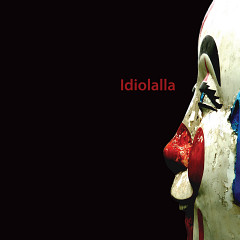
    Idiolalla in Blow Up

    “Recensione”, Dionisio Capuano, Blow Up, no. 101, October 1, 2006
    Sunday, October 1, 2006 Press

    Idiolalla è una malattia vocale, un’infezione della lingua inventata. Due vocalists, DB Boyko e Christine Duncan, e un percussionista, Jean Martin, esplorano le possibilità della comunicazione al di là dell’intelleggibilità semantica e quelle del canto, al di là del tradizionale concetto di cantabilità. I sintomi di idiolalla sono contagiosi e piaceranno molto; di sicuro diverranno luogo di divertimento e d’esercizio del bambino che è in noi, ancora non plagiato dai tabù comportamentali borghesi. Gli impasti vocali hanno una precisa caratterizzazione sottolineata dai ritmi. È giungla, circo e songbook surrealista. Il vocalese d’impianto jazz è terreno di divertissement tribali (Catherine et Cathy, Ringdingding) e l’evocazione d’un Africa distorta (Addowah Picapah) o d’un Tibet adulterato (Mine, Me), attesta il livello simbolico di pandemia che regna dell’album. D’altra parte, l’espressività ha propria sintassi e regole rispettate, come pure è percepibile il “senso dialogico” degli intrecci dei gargarismi o delle ecolalie e il ruolo drammatizzante della batteria (Soul Sausages). Lo spettacolo è dunque di grande godibilità. I piccoli vi tradurranno tutto e spiegheranno perché la mia valutazione sintetica è fin troppo prudente. (7/10)

    7

    Idiolalla in The WholeNote

    “Review”, Andrew Timar, The WholeNote, no. 12:2, October 1, 2006
    Sunday, October 1, 2006 Press

    While I couldn’t find the intriguing sounding title word Idiolalla anywhere, I did however uncover the neologism “idiolalia”, which arose recently from “idio”: personal, distinct, private, peculiar, and “lalia”: speech; therefore “idiolalia”, meaning a private or unique form of speech.

    On this CD, the two singers, DB Boyko and Christine Duncan, no strangers to the exploration and extension of vocal limitations, certainly make good use of idiolalia. Jean Martin, the polished jazz percussionist impresses us with his free improv chops and fine musicianship.

    On first listening, the sheer range of vocal utterance astonishes, what with lightening quick switching between vocables and effective presentation of many extended vocal techniques. On the other hand, it did take me a while to relax with this mix of Dadaist-inflected aesthetics (which was originally designed to poke fun and agitate) and (much) nonsense language. Except when used in touches of irony, don’t expect to hear belle canto singing here!

    There is more to this music than virtuoso exploitation of avant-garde vocalism. The lack of intelligible lyrics (much of the time) doesn’t impede the singers’ ability to sound in turn lyrical, childlike, declamatory, menacingly silly, hysterically scary or amazingly like Inuit throat singers. Just when one imagines they have run the gamut of emotional set-pieces, they pull out a comically operatic bit, including wicked Pagliacci laughter.

    Stay with it. This CD rewards repeated listening and reveals initially hidden structural elements and an adventurous and playful soul.

    Chansons de la belle espérance in The WholeNote

    “Review”, Tiina Kiik, The WholeNote, no. 12:2, October 1, 2006
    Sunday, October 1, 2006 Press

    “Now that was good!” These are my first thoughts after listening to Pierre Cartier’s release of self-described “French love songs”. Cartier’s compositions set to Quebec poetry, his bass playing, his own lyrics, and his singing (especially the endearing way he struggles to capture some of the high notes) combine to make this musically intriguing disc fun to behold. The excellent band is comprised of some of Montréal’s finest jazz performers — Jean Derome on alto sax and flutes, Jean René on viola, Tom Walsh on trombone, Bernard Falaise on guitar and Pierre Tanguay on drums.

    The seven selections have elements of both jazz and musique actuelle but also encompass a variety of musical styles. An almost Las Vegas style sentiment surfaces in Il nous aurait fallu while La chanson de Marie is almost simultaneously an Irish jig and an Eastern European dance. My favourite, Mirabeau, using a text of Guillaume Apollinaire, begins in a fugal manner, then moves more upbeat, and closer to the end almost becomes a 1970s rock anthem with its screeching guitar solo. Cartier’s vocals are the glue that holds the works together throughout.

    The bilingual French and English liner notes describe Cartier’s ideas behind each piece, though my high school French leads me to wish the lyrics also had an English translation. This is a moot point however — the music would be a welcome backdrop to any drive in the country or dinner affair. I’ll leave the final words to Pierre Cartier — “And if we may say that sometimes love is blind, how could we ever imagine love being deaf?” Touché!
    Now that was good!
  • 8
  • 9
  • 10
  • 11
  • 12
  • 13
  • 14
  • 15
  • 16