actuellecd

Blog

163 results
  • 15
  • 16
  • 17
  • 18
  • 19
  • 20
  • 21
  • 22
  • 23
  • The Enormouslessness of Cloud Machines in Splendid E-Zine

    “Review”, Noah Wane, Splendid E-Zine, April 10, 2000
    Monday, April 10, 2000 Press

    The Enormouslessness of Cloud Machines collects seven multi-channel works by composer and sound artist Steve Heimbecker. Some of them, like The Forum for the Alienation of Art, are for use in sound installations. In this case, the piece is a three-minute audio tape that combines bird songs with a sort of spoken manifesto. It is intended to be played continually for the duration of the exhibition. Another work, Spin Cycle, derives rhythmical sounds from the manipulation of a 17-second quadraphonic sound sample of a spinning roulette wheel. A kind of subdued counterpoint is produced here — limited in color, but strikingly hypnotic. Tic Talk #1 is a live quadraphonic work that involves open microphones, delay lines and 4 kitchen timers. The piece lasts as long as the kitchen timers are running. It is no less hypnotic than Spin Cycle, although the timers add a sense of urgency that disembodied sound objects do not. Clearly Heimbecker is an conceptualist! His works are not songs, sonatas or symphonies. Nor, in a way, are they really music. They are more like collages in the spirit of a Kurt Schwitters. The disc’s title is particularly apt because Heimbecker’s pieces have such a profound sense of timelessness. They seem quite capable of going on forever. Heimbecker is a consummate artist capable of simple, unique and beautiful things, and this two disc set is a fine homage to beautiful art.

    Heimbecker is a consummate artist capable of simple, unique and beautiful things…

    Muets in Splendid E-Zine

    “Review”, Ron Davies, Splendid E-Zine, April 10, 2000
    Monday, April 10, 2000 Press

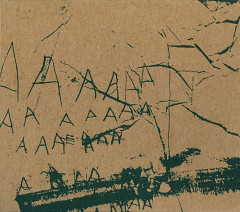
    On this instrumental sound barrage, trio Klaxon Gueule create a sonic wasteland reminiscent of Einstürzende Neubauten’s harsher work. Accelerating beatings, random crashes and vicious drill whines collide to disturbing effect. Impossible to define, the musicians themselves toss out the phrase “electroacoustic chamber ensemble,” which is as good as anything I could dream up. Musique concrète at its heaviest, this is a serious album intended for concentrated listening, assuming that you can take it.

    Musique concrète at its heaviest, this is a serious album intended for concentrated listening, assuming that you can take it.

    Seule dans les chants, Joane Hétu in Vital

    “Review”, Dolf Mulder, Vital, no. 220, April 7, 2000
    Friday, April 7, 2000 Press

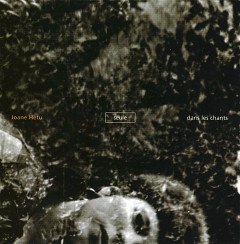
    The title of the new cd by Joane Hétu describes exactly what it is: Seule dans les chants. It is her first solo effort for voice and alto sax. The recordings were made between 1997 and 1999. What we hear is the result of an intense process of montage and mixing that followed after the recordings. So although the music makes the impression of being improvised, it is in fact composed in the studio. The music is poetic and intimate in character. Hétu investigates the sounds she can make by her mouth. Just singing is not her interest. To this she added her favorite alto sax sounds: “I am a sax player and a singer, I am not a sax player or a singer”. A very personal document

    Petit traité de sagesse pratique in Vital

    “Review”, Dolf Mulder, Vital, no. 220, April 7, 2000
    Friday, April 7, 2000 Press

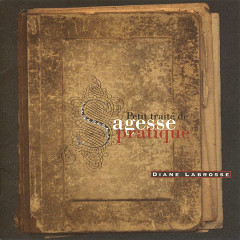
    Diane Labrosse and Joane Hétu also move away from the avant-rock they made with the all-women group Wondeur Brass. There are many influences to trace on the new cd by Diane Labrosse Petit traité de sagesse pratique (A Short Treatise on Practical Wisdom). The title suggests an academic study on (dear) prudence, but we have here a cd with 37 little miniature songs and pieces on diverse virtues and other moral subjects. All treated with lots of humor and irony of course. The music is inspired on baroque and medieval music, folk, jazz, cointemporary music, blues, etc. Performed by 9 musicians: Jean Derome, Martin Tétreault among others.

    Muets in Vital

    “Review”, Dolf Mulder, Vital, no. 220, April 7, 2000
    Friday, April 7, 2000 Press

    Three new releases from the Ambiances magnétiques collective in Montréal, Canada. Klaxon Gueule is a trio: Michel F Côté (drums), Bernard Falaise (electric guitar) and Alexandre St-Onge (bass). Considering the line-up, Muets is not exactly what you expect to hear. The enclosed information characterizes this trio as an “electroacustic chamber ensemble”. That may put you in the right direction. The music is very abstract and introvert: no melody, rhythm, no traditional playing on guitar, bass and drums. To make a comparison, this trio operates in the same territory as the Fred Frith Guitar Quartet. They use conventional instruments, but they do not to play them in a traditional way within some rock or jazz format. They play a new kind of music that is inspired on the improvisations of AMM, where noise, texture and exploration of sound are what counts. Very interesting.

    Very interesting.

    Muets in Blow Up

    “Recensione”, Roberto Municchi, Blow Up, no. 23, April 1, 2000
    Saturday, April 1, 2000 Press

    Secondo album per i Klaxon Gueule, trio radicale formato dal batterista Michel F Côté, uno dei promotori del collettivo che anima l’Ambiances Magnétiques e leader dei Bruire, dal bassista Alexandre St-Onge e dal chitarrista Bernard Falaise, dopo il doppio Bavards, 95 nervosi minuti d’improvisazione. Il flyer che accompagna il CD parla di una musica sobria e di quello che era un power trio trasformato in ensemble elettro-acustico da camera. L’idea è sfiziosa e e leggermente fuorviante. Il disco è una bomba sempre sul punto di esplodere: 12 pezzi che vivono di contrasti, mai eccessivamente forti ma sempre nell’aria, di suoni e di colori, di contrapposizioni silenzio-rumore. Distillazione di singoli suoni, isolati, spogliati e riprosoti con un uso massiccio di effetti. Musica dai forti picchi e dai riflessi morbosi e angoscianti, spesso inafferrabile. Batteria e basso che escono dal solito compito di propulsori ritmici e linee chitarristiche appena accennate, a tratti anche inesistenti. Emblematica fusione di minimalismo, improvisazione, detriti rumorosi, veementi rasoiate e rarefazioni ambientali — nonché presupposto di scenari futuribili. Un disco che reclama ascolti reiterati per confidare i propri segreti, per permetterci di apprezarne i lati più nascoti, per rivelare appieno il suo sapore. È musica atroce e squisita come un’incessante, lenta marcia verso il nulia. (8)

    8
  • 15
  • 16
  • 17
  • 18
  • 19
  • 20
  • 21
  • 22
  • 23