Without question one of jazz’s most representative records is of a 1954 concert with Bop masters Dizzy Gillespie, Charlie Parker, Bud Powell, Charles Mingus and Max Roach in their only performance together. That the session was recorded in Toronto’s Massey Hall makes it distinctive as well as replaceable. But Jazz at Massey Hall isn’t the only instance of jazz history being made north of the border. Precisely because of gig opportunities for committed international improvisers discs recorded at Canadian gigs or festivals are an important part of the music’s fabric.
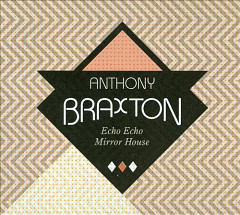
One of the most significant recent sessions recorded in similar circumstances is Anthony Braxton’s Echo Echo Mirror House. Featuring the composer’s septet, this 2011 premiere at the annual Festival International de Musique Actuelle from Victoriaville, Quebec rolls controlled cacophony and fragmented polyphony into an hour-long protoplasmic performance that sounds as if it’s emanating from two orchestras playing simultaneously, although there are only seven musicians on stage. Having long dispensed with the idea of solo and accompaniment, Braxton’s composition allows the two brass players, two percussionists, three string players plus the composer’s saxophones to enter and exit the sequences at will. Miraculously all the parts hang together. This situation is even more remarkable when you consider that several of the players double or triple, and always conversant with technology, all are equipped with iPods. The latter adds snatches of pre-recorded voices, vocal and instrumental music to the mix and use live processing to integrate sequences recorded during performance back into the composition. While this description may appear formidable, the music isn’t that difficult. The initial theme reappears at junctures, while at all times motifs, such as Mary Halvorson’s guitar twangs or Jay Rozen’s tuba blasts, provide the continuum. Meanwhile the pressurized polytonal narrative recedes enough in spots so that Braxton’s alto saxophone yelps, Taylor Ho Bynum’s wispy flugelhorn grace notes or the polyrhythmic strokes uniting Jessica Pavone’s viola and Aaron Siegel’s vibes are clearly audible. Mid-way through, as the tension dissipates a bit, cutting reed bites and ringing vibes separately presage the additional of iPod samples featuring female speaking voices and a male vocal chorus. Later, following subtle reprises of the theme, pre-recorded piano recital-like dynamics threaten to unduly soften the performance until Siegel’s whapping percussion, Bynum’s plunger work and Braxton’s strident sax lines, shatter any tendencies towards sweetness. With every musician and every iPod producing climatic timbres, and when it appears as if the rattling, staccato undulations can’t become any more overwrought, conductor Braxton abruptly ends the performance. The effect is as if a harrowing but pleasurable journey has been completed.