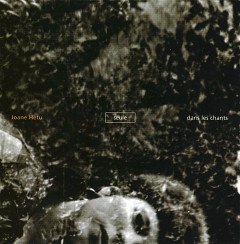
Seule dans les chants, Joane Hétu dans Rubberneck
Solo improvisation has come to represent the highest expression of the improvisor. Perhaps for good reason as it takes a special imagination or careful tactician to keep it interesting for sustained periods. As a practice, it has grown progressively since Eric Dolphy’s great deconstructions of
Saxophonist Lazro’s work owes much to the Dolphy model, particularly in the way that figures are repeated, elaborated and transformed. This of course has become a standard methodology for the solo improvisor, Evan Parker being the most extreme example. If Lazro’s approach provides no real surprises, it is the rigor and consistency of its application that is out of the ordinary. This attention to craft gives many of the pieces a strong inner logic and satisfying unanimity. Ironically, perhaps, it is when Lazro attempts his own deconstruction of existing material — in this case an Albert Ayler tune — that the music is at its structurally most incoherent. This nod to history is also reflected in his use of the instrument as a sound-making device. While he uses the usual range of extended techniques, Lazro also relishes the standard sounds of his instruments and there are times when for a few minutes the ghosts of earlier eras are audible.
Lacy is an example of a particularly special imagination. His ability to create in the kind of unfettered way that many assume to be the Holy Grail of free improvisation is remarkable but untypical of improvisors as a whole
Hétu’s approach is not dissimilar to that of Lazro but her improvisations stand as haikus to Lazro’s sonnets. Lacy and Lazro constantly remind you that they are playing an instrument with a wealth of tradition and associations while Hétu appears to want to strip away this heritage and leave the listener with a fresh understanding