Sauter au contenu principal
actuellecd

Blogue

223 résultats
  • 30
  • 31
  • 32
  • 33
  • 34
  • 35
  • 36
  • 37
  • 38
  • GO [Guitar Obsession] dans Foxy Digitalis

    «Review», Mike Wood, Foxy Digitalis, 3 janvier 2007
    mercredi 3 janvier 2007 Presse

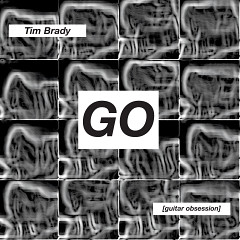
    Montréal-based guitarist and composer Brady has been getting a lot of hype in guitar and improv circles, and this release is meant as a showcase for his varied fretwork. GO, short for “Guitar Obsession” is chock full of variety, from jazz-rock tinged tunes, to loops, some odd blues. There is even a suite, Frame 22: Switch, which incorporates most of the styles into an electronic guitar workout that manages to be rocking and moving at the same time.

    As couple of the songs, GO, Yellow, Add Green, and As Softly Sounds were constructed slowly, between 1984 and this year. Oddly, these are the most striaght-forward of the tunes, making one wonder why they took so long to build. The final four tracks are compositions by others, including Jean-François Laporte, Laurence Crane, Tristan Murail, and a beautiful solo ballad by Alexandre Burton. While Brady may not be one of the great hopes for the future of the guitar, as has been hyped in a few quarters, he certainly shows himself to be a guitarist who is not afraid to take risks, and who has an ear open for the instruments possibilities in many forums. (8/10)

    a guitarist who is not afraid to take risks

    Steve Reich: Different Trains dans Wayside Music

    «Quatuor Bozzini: Different Trains», Wayside Music, 1 janvier 2007
    lundi 1 janvier 2007 Presse

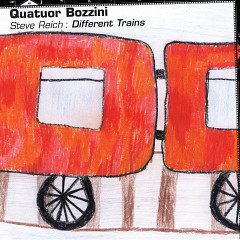
    Excellent 27’-long disc with the last Steve Reich work that I’ve heard that I would consider a masterpiece. “A major opus in Reich’s body of work, Different Trains pioneered in 1988 a new form of composition developed from his earlier tape pieces It’s Gonna Rain (1965) and Come Out (1966). The idea for the piece came from Reich’s childhood. His parents separated when he was one year old. His mother moved to Los Angeles, while his father stayed in New York. Since they had arranged divided custody, he often traveled back and forth between those two cities, with his governess, in the years 1939-42. He composed the piece keeping in mind that, as a Jew, he would have found himself in a different situation had he been living in Europe at the time. The work consists of a prerecorded tape assembled from the voices of various people reminiscing about the Holocaust, sounds of American and European trains from the 30s and 40s, and three different string quartets. In addition to the tape is a fourth string quartet part for a live quartet. Quatuor Bozzini decided to offer a new reading of the work, including its very own recording of the three taped string quartets, a first ever since the premiere 1988 recording of the work, by the Kronos Quartet. Quatuor Bozzini embarked on this new reading after being advised to do so by Steve Reich himself. Quatuor Bozzini’s Different Trains turns a new page in the history of contemporary music. It provides a new landmark.”

    Le Quatuor Bozzini écrit une nouvelle page de l’histoire de la musique contemporaine avec Different Trains. Il nous donne un nouveau point de repère.

    GO [Guitar Obsession] dans Blow Up

    «Altrisuoni», Dionisio Capuano, Blow Up, no 104, 1 janvier 2007
    lundi 1 janvier 2007 Presse

    Il curriculum di Brady è nutrito e degno d’interesse. E forse in un contesto storico-biografico acquista senso Go, album compilativo, raccolta di exempla delle tecniche per chitarra e di approcci stilistico-tecnologici. L’unità poetica se ne va a gambe all’aria e il tutto appare adatto ad un corso di musicologia più che ad una fruizione appagante. Brady, certo, è un chitarrista extra-colto completo e fantasioso, senza preclusioni di genere (ora jazz, ora rock, ora heavy, ora minimal), peraltro propenso ad architetture sonore ben strutturate più che ad impeti impro. Ma, siano i simil contrappunti per strumento e loops o tracce preregistrate (Go, un tema confidenziale), siano le operazioni di decostruzione che portano il timbro dello strumento dal metal al blues (Yellow, Add Green), sia il duetto stocastico con il programma MAX/MSP che modifica in tempo reale gli input percussivi della cassa di una chitarra (Unplugged), si resta, nello spazio-tempo di questo cd, ad un livello di eccellenza interpretativa che purtroppo non vince la stucchevolezza didascalica. Può interessare parecchio ma emoziona assai poco.

    3 dans Blow Up

    «Altrisuoni», Dionisio Capuano, Blow Up, no 104, 1 janvier 2007
    lundi 1 janvier 2007 Presse

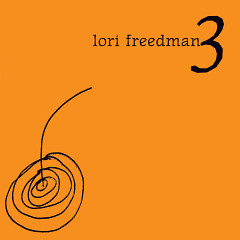
    Con un senso della misura quasi sospetto, ma efficace, la clarinettista Lori Freedman ritaglia segmenti da tre serate di sessions nel corso delle quali ha interagito con musicisti dell’area “creativa” canadese-internazionale. Ognuno dei sets, in forma di trio, possiede una propria natura, in ragione delle peculiari line-ups. Con i giradischi di Tétreault e la chitarra di Lussier viene imbastito un dialogo aspro ma controllato, quasi no-jazz (the tribe of triclops), con l’appendice di una bella soluzione slacker-impro: locked groove, slide e note lunghe d’ancia (spaghetti brûlé). L’elemento del gioco e dell’assurdo predomina nel ménage assieme a Derome (sax e piccoli oggetti) e Rainer Wiens (chitarra preparata): atmosfere da circo sulfureo (babalou) che tracimano nell’allucinazione quasi informale (poussière de lune). Il contrabbasso di Nicolas Caloia costruisce architetture jazz contaminate (tigresse, six degrees) e, insieme alle percussioni di Danielle Palardy Roger, partecipa a destrutturazioni quasi elettroacustiche (the light of night) tra le quali s’insinua il clarinetto. Momenti scelti ed estrapolati con estrema attenzione che poi l’accorto Michel F Côté, in post-produzione, sporca di bave sonore e tessiture anomale.

    3

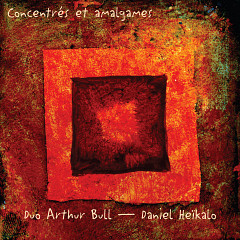
    Concentrés et amalgames dans Blow Up

    «Altrisuoni», Dionisio Capuano, Blow Up, no 104, 1 janvier 2007
    lundi 1 janvier 2007 Presse

    L’armamentario di chitarre e percussioni (quest’ultime adoperate da Daniel Heïkalo) è funzionale ad esaltare i vari moods che ispirano l’articolata fantasia improvvisativa del duo. C’è, invero, un tono ubiquitario di percussività e si ha l’impressione di assistere ad una olistica tessitura di trame irregolari, — ora con la consistenza del filo metallico ora quasi seriche (Moment intense de répit coloré ed Elegy, che chiude restituendoci l’aria). Ma tutte le undici tracce rivendicano la loro unicità. Dialogo ispanico-cubista (La solution de l’énigme), confronto plastico corde-percussioni (Cobra Skin Necktie), brillante secchezza con attenzione alle risonanze armoniche (Lonnie Johnson), percussività e sfregamenti teatrali da momenti clou del teatro giapponese (Tunc) o da gamelan balinese (Picottements métalliques), disarticolazioni blues (Décoction bluesée). Piacciono la frenesia scabra tenuta al guinzaglio e l’apparenza d’estemporaneità che si ricompone in immagine dall’avviluppante irregolare geometria. Il suono dell’incontro tra Robert Johnson e Georges Braque.

    Il suono dell’incontro tra Robert Johnson e Georges Braque.
  • 30
  • 31
  • 32
  • 33
  • 34
  • 35
  • 36
  • 37
  • 38